It sounds almost too good to be true, doesn’t it? A grass seed that promises to be tough, beautiful, and low-maintenance.
But what exactly is it? And more importantly, is it the right choice for your garden here in the UK?
This guide will walk you through everything you need to know. We’ll look at what makes it special, what’s actually inside the bag, and whether it’s worth your time and money. Let’s dig in!
What is Black Beauty Grass Seed?
First things first, let’s clear something up. “Black Beauty” is not a type of grass itself. It’s a brand name for a specific blend of grass seeds created by the American company, Jonathan Green.
Think of it like a recipe. The “Black Beauty” recipe uses a special mix of different grass seeds that work well together. These grasses are chosen because they are tough, look good, and can handle different challenges.
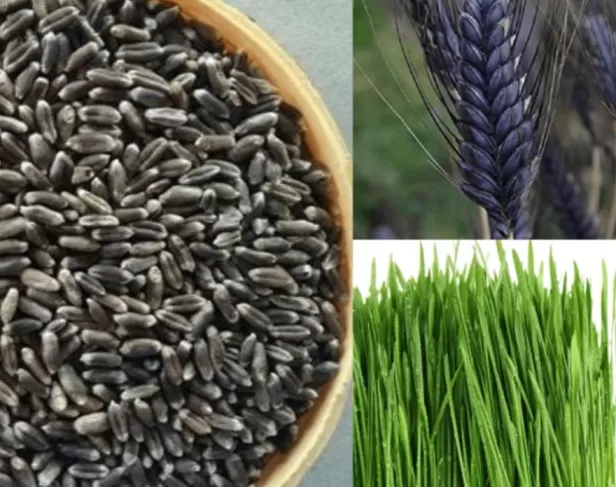
The name comes from the very dark, almost black colour of the grass seeds. This dark colour is a sign of a high moisture content, which helps the seed germinate (sprout) better and faster.
What’s Actually in the Bag? The Secret Blend
So, what’s the secret recipe? While the exact mix can vary, Black Beauty blends are famous for containing a high percentage of Kentucky Bluegrass and Perennial Ryegrass.
Let’s meet the key players:
- Kentucky Bluegrass: This is the star of the show. It’s what gives the lawn its lovely, deep green colour and soft texture. It spreads sideways, filling in bare patches all by itself. This is great for repairing damage.
- Perennial Ryegrass: This is the tough guy. It germinates very quickly, so you see green shoots fast. It’s hard-wearing, so it’s perfect for gardens where children or pets play. It creates a hard-wearing, durable lawn.
- Fine Fescues: Sometimes included, these add a fine, delicate texture and are very good for shady areas.
This combination is powerful. You get the beauty of the bluegrass with the toughness and speed of the ryegrass.
The Big Benefits: Why People Love It
Why has Black Beauty become so popular? Here are the main reasons:
1. It’s Drought Tolerant
This is a huge plus. The grasses in this blend have deep roots. Deep roots can reach water that’s further down in the soil. This means if we have a dry summer (which seems to be happening more often in the UK!), your lawn has a better chance of staying green without you having to water it constantly.
2. It Resists Pests and Diseases
The Kentucky Bluegrass in the mix is naturally more resistant to common lawn diseases. It’s also less appealing to some pests. This means you’re less likely to need to use chemical treatments, which is better for the environment and your wallet.
3. It’s Dense and Crowds Out Weeds
A thick lawn is your best defence against weeds. Weeds like dandelions and daisies need space and light to grow. Because Black Beauty grass grows so thickly, it blocks out the sunlight and takes up all the space, leaving very little room for weeds to get started.
4. It Feels Amazing Underfoot
This isn’t a coarse, scratchy grass. The blend of grasses creates a lawn that is soft, lush, and lovely to walk on barefoot – a real sign of a quality lawn.
The Not-So-Good Bits: The Potential Downsides
No product is perfect for every single situation. Here are some things to consider:
- It Can Be Slower to Start: While the ryegrass will pop up quickly, the Kentucky Bluegrass, which is the key to long-term thickness, can take a bit longer to get established. You need a little patience.
- It Prefers Sun: Like most grasses, it does best in full sun or partial shade. If your garden is very shady, a different mix with more Fine Fescues might be a better option.
- The Cost: It is often more expensive than basic, all-purpose grass seed you find at a supermarket. You are paying for a premium, high-quality blend.
Is Black Beauty Grass Seed Good for UK Gardens?
This is the most important question. The simple answer is yes, it can be an excellent choice.
The UK climate, with its generally cool temperatures and regular rainfall, is actually well-suited to the grasses in the Black Beauty blend, especially the Kentucky Bluegrass.
It’s particularly good for UK gardens that need to be both pretty and practical. It can handle a typical British summer and recover well from the wear and tear of family life.
How to Sow Black Beauty Grass Seed for the Best Results
Planting it is just like planting any other grass seed, but doing it right makes all the difference.
Step 1: Prepare the Soil
This is the most important step. You can’t just throw seed on hard ground.
- For a New Lawn: Dig over the soil, remove any weeds and stones, and rake it until it’s fine and crumbly, like a chocolate cake mix.
- For an Existing Lawn: Mow your lawn very short and rake it hard with a spring-tine rake to remove dead moss and grass (this is called scarifying). This creates space and contact for the new seeds.
Step 2: Sow the Seed
Follow the instructions on the bag for how much seed to use per square metre. Don’t be tempted to use more – it won’t help! Scatter the seed evenly by hand. A good tip is to sow half walking north-south and the other half walking east-west.
Step 3: Cover and Water
Lightly rake the soil again so a thin layer of soil covers the seeds. Then, water gently with a sprinkler or a hose with a fine spray. You need to keep the soil moist (but not soaking wet) until the grass is well-established.
Caring for Your New Lawn
Once your grass is growing, looking after it will keep it in top condition.
- Watering: Water deeply once a week rather than a little every day. This encourages those deep, drought-resistant roots.
- Mowing: Wait until the grass is about 7-8cm tall before the first cut. Never cut more than one-third of the grass blade off at a time. For a lovely lawn, keep your mower blades high.
- Feeding: Use a good quality lawn feed in the spring and autumn. You can find these at any garden centre like Dobbies or YouGarden.
Black Beauty vs. Other Grass Seeds
How does it compare?
- Vs. Cheap Supermarket Seed: Budget seeds often contain a lot of annual ryegrass, which grows fast but dies after a year, leaving bare patches. Black Beauty uses perennial (long-lasting) grasses for a permanent lawn.
- Vs. Other Premium Blends: Many premium blends are similar. Black Beauty’s specific claim to fame is its focus on dark, high-moisture seeds and its reputation for building a very dense, weed-resistant turf.
The Verdict: Should You Buy It?
So, is Black Beauty grass seed the right choice for your lawn?
Choose Black Beauty Grass Seed if:
- You want a lush, dense, and beautiful lawn.
- Your garden gets a good amount of sun.
- You have children or pets and need a hard-wearing lawn.
- You want a lawn that is better at coping with dry weather.
- You don’t mind paying a bit more for higher quality.
Consider a different option if:
- Your garden is mostly in deep shade.
- You need a “quick fix” and aren’t planning to maintain the lawn long-term.
- Your budget is very tight.
For most people looking to create a classic, beautiful, and resilient UK lawn, Black Beauty is a fantastic investment. It might cost a little more upfront, but the results and the reduced need for weeding and repairing can save you time and money in the long run.
Frequently Asked Questions (FAQ)
1. How does the “Black Beauty” blend specifically adapt to the variable UK climate, especially wet winters?
The blend’s composition is key to its UK resilience. The Perennial Ryegrass component provides excellent tolerance for the compaction and wear that can occur from walking on wet, soggy ground in winter. Meanwhile, the deep-rooting Kentucky Bluegrass is adept at managing both ends of the moisture spectrum—its extensive root system helps drain excess water from the surface soil while also being able to seek out water during drier spells. This combination creates a lawn that is more resilient to the UK’s weather swings than a single grass type could be.
2. I have heavy clay soil. Will the deep roots of the Kentucky Bluegrass be able to establish properly?
This is a significant challenge. While Kentucky Bluegrass is genetically programmed to develop deep roots, dense clay soil physically restricts its growth. Success on clay soil is entirely dependent on thorough preparation. You must break up the clay and incorporate a significant amount of sharp sand and organic matter, like well-rotted compost or loam topsoil, to improve drainage and aeration. Without this, the roots will struggle to penetrate, and the lawn may become waterlogged, negating Black Beauty’s drought-tolerance benefits.
3. How does the mowing height requirement for Black Beauty differ from a standard lawn mix?
To maintain the health and density of the Kentucky Bluegrass, a slightly higher mowing height is ideal. While many standard lawns are cut short (around 2-3cm), Black Beauty thrives best when kept at 3.5-5cm, especially during the summer heat. This taller height promotes deeper root growth, enhances drought resistance, and helps shade the soil surface, which naturally suppresses weed germination. A “scalped” lawn will stress the grass, making it thin and vulnerable.
4. What is the specific mechanism that makes it more resistant to common UK lawn diseases like Red Thread?
The resistance is multi-faceted. Firstly, the genetic makeup of modern Kentucky Bluegrass cultivars has been selectively bred for disease resistance. Secondly, and just as importantly, the dense turf it creates improves air circulation at the soil level, reducing the humid, stagnant conditions that fungal diseases like Red Thread thrive in. A well-fed lawn (but not over-fed with nitrogen, which can exacerbate Red Thread) is also more resilient, as the grass is healthy enough to fight off infection naturally.
5. Can I overseed with Black Beauty if my existing lawn is a different grass type, and what is the long-term outcome?
Yes, you can, and this is a great way to improve an existing lawn. The long-term outcome is a gradual transformation. The Perennial Ryegrass will establish quickly, while the Kentucky Bluegrass will slowly spread via its rhizomes, interweaving with your existing grass. Over several seasons and with repeated autumn overseeding, the proportion of the more desirable Black Beauty grasses will increase, leading to a denser, more resilient, and visually uniform lawn, effectively “converting” your old turf.
6. How does its drought tolerance actually work at a biological level?
The drought tolerance is a result of both physiological and morphological adaptations. The grass plants enter a state of summer dormancy under extreme stress, where the blades may turn brown, but the crown and roots remain alive, conserving energy. Once water returns, they green up again. Morphologically, the deep root system can access sub-surface water unavailable to shallower-rooted grasses. The waxy coating (cuticle) on the grass blades also helps reduce water loss through transpiration.
7. Are there any specific fertiliser requirements for this blend compared to a generic lawn feed?
Black Beauty performs best with a balanced, slow-release fertiliser that doesn’t promote excessive top growth at the expense of root development. While a generic lawn feed will work, a premium feed with a balanced N-P-K ratio (Nitrogen, Phosphorus, Potassium) is ideal. Potassium (K) is particularly important as it strengthens cell walls and improves drought and disease tolerance. Avoid cheap, high-nitrogen fertilisers that cause a rapid flush of weak, sappy growth.
8. What is the expected lifespan of a lawn established from this seed, and how does it compare to turf?
A lawn from Black Beauty seed, if properly maintained, can last for decades. Because it is grown in situ, it often develops a stronger, more adapted root system than turf, which has a shallow root roll from the nursery. Turf gives you an “instant lawn,” but a seeded lawn often proves to be more durable and self-repairing in the long run due to the robust Kentucky Bluegrass rhizomes that continually fill in gaps.
9. How does it perform in coastal areas with salty air or gardens with partial saline soil?
This is one of its limitations. Neither Kentucky Bluegrass nor Perennial Ryegrass are considered salt-tolerant grasses. In coastal regions with salt spray, they can suffer from burn and poor growth. For these challenging environments, a specialist mix containing more tolerant grasses like Slender Creeping Red Fescue or even Seashore Paspalum would be a much more reliable and successful choice.
10. Is the “weed suppression” claim due to an allelopathic effect or simply physical crowding?
The weed suppression is almost entirely due to physical crowding and competition. The dense growth habit shades the soil, preventing light from reaching weed seeds, which inhibits their germination. It also out-competes weeds for water and nutrients. There is no strong evidence to suggest the grasses in the Black Beauty blend release significant allelopathic chemicals (natural herbicides) into the soil. Its weed resistance is a direct result of creating a thick, healthy, and vigorous turf that leaves no room for invaders.
