Thinking about a career in beauty? It’s an exciting world, full of creativity and the chance to make people feel amazing. But going to beauty college is a big step. You might be wondering: what is it really like?
Is it all about doing fancy hairstyles and beautiful makeup? Well, yes, but it’s also about so much more. It’s about learning the science behind the art, building your confidence, and starting a real career.
Also Read: A Deep Dive into Modern Chinese Beauty Standards
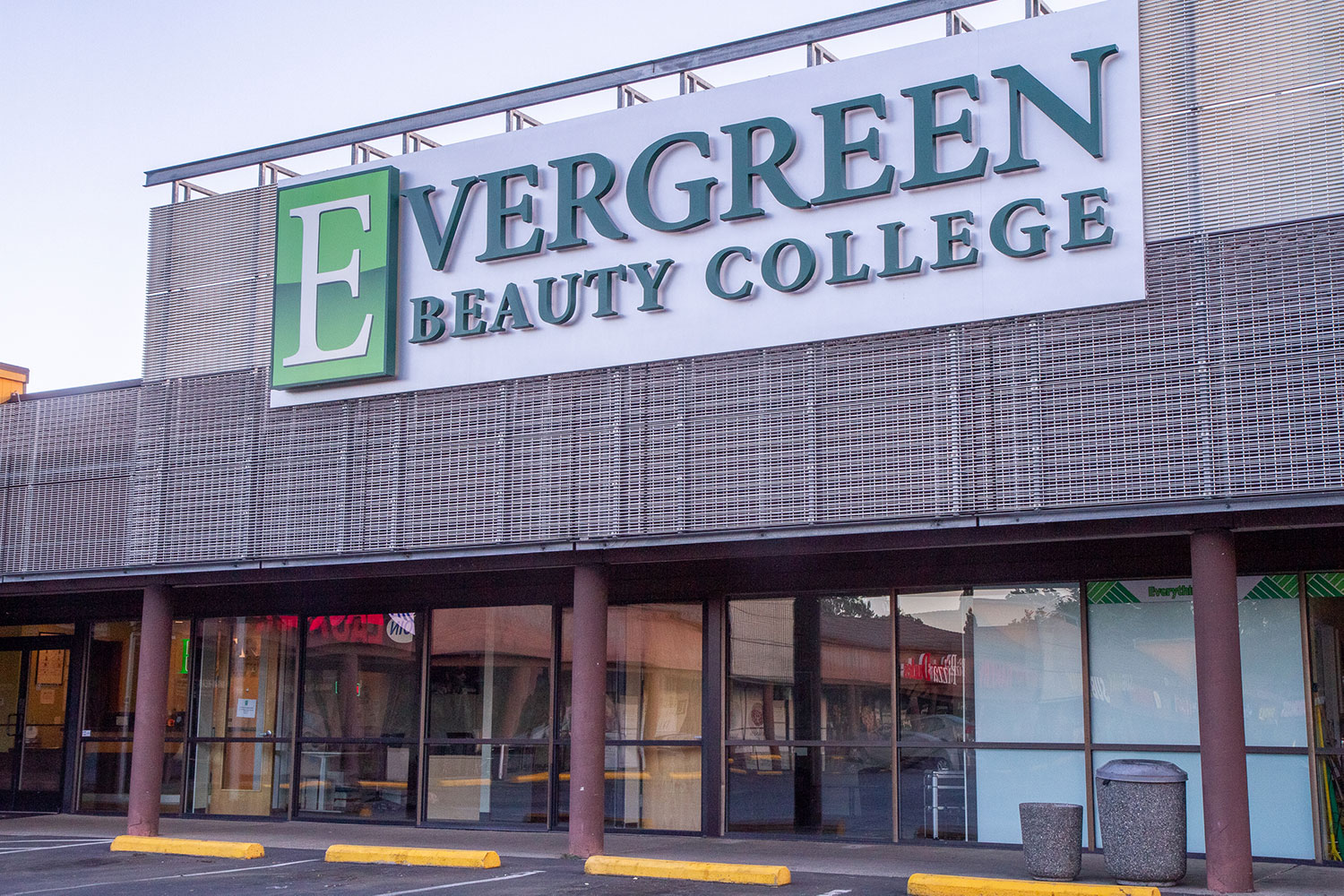
I’ve spoken to students and grads to get the inside story. This isn’t a boring prospectus. This is a real, honest look at a typical day for a student at a place like Evergreen Beauty College. Let’s walk through it together, from the first coffee to the last cleaned brush.
First, Let’s Clear Something Up: Where is Evergreen Beauty College?
This is an important point for my UK readers. Evergreen Beauty College is based in the United States, in Washington state. So, you won’t find one on your local high street in London or Manchester. You can see their locations and programmes on their official website.
But don’t click away! This article is still incredibly useful for you. Why? Because the experience of studying beauty and hairdressing is very similar all over the world. The daily routine, the mix of theory and practice, the journey from beginner to professional—it’s a universal story.
If you’re in the UK and looking for a similar path, you’d be looking at colleges like the London College of Beauty Therapy or your local UK college that offers NVQs in Hairdressing or Beauty Therapy. The day-to-day life we’re about to explore will feel very familiar. You can search for accredited UK courses on the HABIA (Hair and Beauty Industry Authority) website, the government-approved standards body for the sector.
Also Read: Decoding the Scientific Genius Behind YSE Beauty’s Formulas
The Morning: Theory, Mannequins, and Coffee
A student’s day often starts early. Beauty is a hands-on industry, and college mirrors that.
8:00 AM – The Arrival & Kit Preparation
You arrive at the college, maybe with a coffee in hand. It doesn’t look like a stuffy, old-school classroom. It looks and feels like a modern, working salon. There are styling chairs, washing stations, and rows of mirrors. This is your new classroom, and it’s designed to prepare you for the real world.
You’ll have a locker to store your professional kit. A typical starter kit from a supplier like Salon Services or Capital Hair and Beauty might include mannequin heads, shears, combs, brushes, and a uniform. You’ll get very attached to (and maybe even name) your mannequin!
9:00 AM – Theory Class: The “Why” Behind the “What”
Before you can create a gorgeous colour or a perfect haircut, you need to know the science. Your first class of the day might be theory.
This isn’t about boring textbooks. It’s about crucial knowledge, often guided by textbooks like the Milady Standard Cosmetology curriculum, which is a global standard:
- Chemistry of Colour: Learning how hair dye works on a molecular level. You’ll learn why developers (peroxides) are crucial, a topic covered in depth by brands like Wella Professionals in their educational resources.
- Anatomy of the Skin: Understanding the different layers of the skin for facials and waxing, essential knowledge for safely using equipment from brands like CACI International.
- Health and Safety: Learning about sanitation is the most important subject of all! Keeping your tools and workspace clean is non-negotiable. You’ll learn standards set by the UK’s Health and Safety Executive (HSE).
This foundation is what separates a qualified professional from someone who just watches YouTube tutorials.
The Late Morning: Hands-On Practice
This is where the real fun begins.
10:30 AM – Mannequin Madness
For the first few months, your primary client is a mannequin head. This might sound boring, but it’s where you build your muscle memory and skill without the pressure of a real person watching you.
You’ll spend hours on foundational techniques, many of which are demonstrated on educational platforms like BehindtheChair.com:
- Sectioning hair perfectly.
- Practising haircuts over and over again.
- Applying colour to get even, consistent results.
- Wrapping perm rods with precision.
Your instructor, an experienced professional, will walk around, checking your work, giving you tips, and showing you techniques. They are your guide, and their feedback is pure gold.
The Lunch Break: A Quick Recharge
12:00 PM – Lunch, Laughter, and Research
You’ll grab your lunch and probably sit with your classmates. These people become your second family. This is also a time when you might browse industry inspiration on platforms like Instagram or read trade publications like Professional Beauty to stay on top of trends.
The Afternoon: Real Clients and Real Pressure
After you’ve proven your skills on mannequins, you’ll move into the clinic floor. This is the big league!
1:00 PM – Clinic Floor Preparation
The college salon is open to the public for discounted services. You check the appointment book. You prepare your station, making sure everything is clean, organised, and ready. You review the client’s consultation card.
2:00 PM – The Client Arrives & The Consultation
This is it. You greet your client. You have a consultation, talking through what they want. This is where you learn people skills as much as technical skills. You might use consultation tools from brands like L’Oréal Professionnel to accurately assess hair condition and colour.
Your instructor is always nearby. They will check in, approve your colour formula, and be there to help.
3:30 PM – The Magic Happens
You’re in the zone. You’re applying the colour, section by section. You’re using professional products from brands like Schwarzkopf Professional or TIGI that you’ve been trained to use.
The Late Afternoon: Finishing Touches and Clean-Up
5:00 PM – The Reveal & Styling
You’ve washed, cut, and styled the hair. You might use high-quality tools like GHD hair straighteners or Dyson Supersonic hairdryers for the final look. The moment of truth arrives. You turn the chair around.
Seeing their face light up with a smile is the best feeling in the world. All the hard work is worth it.
5:30 PM – The Not-So-Glamorous Part: Sanitation
The client leaves, happy. Now, it’s time for clean-up. You disinfect your tools with hospital-grade solutions, sweep up hair, and restock. This practice is governed by strict UK health regulations, which you can read about on the GOV.UK site for local authority regulations.
The End of the Day: Reflection and Homework
6:00 PM – Heading Home & Continued Learning
You’re tired, but it’s a good tired. You might have homework—like creating a mood board on Pinterest or studying product knowledge for brands like Dermalogica for skincare specialists.
The Bigger Picture: What You Learn Beyond the Technique
A day at beauty college teaches you more than just how to do a balayage. It builds your character and business acumen.
- Discipline: Showing up on time, in a clean uniform, ready to work.
- Business Sense: Many courses teach you how to build your clientele, often using software like Ovatu or Fresha for bookings.
- Confidence: With every successful client, your belief in yourself grows.
Is It the Right Path for You?
A day in the life of a beauty student is rewarding, but it’s also demanding. It’s for you if you are creative, a people person, patient, and ready to work hard.
If you’re in the UK and this sounds like your dream, the first step is to research. Use the National Careers Service website to explore different paths and find courses.
Conclusion: More Than Just a Pretty Face
A day at Evergreen Beauty College, or any quality beauty school, is a mix of science, art, hard work, and heart. It’s about building a craft, not just learning a trade.
It’s a journey that starts with a mannequin and a dream and ends with you as a skilled, confident professional, ready to start a career you truly love. And that is a beautiful thing.
Frequently Asked Questions (FAQ)
1. What is the single most challenging part of the transition from practicing on mannequins to working with real clients?
The most significant challenge is the psychological shift from a controlled environment to a dynamic, human-centered one. On a mannequin, a mistake is a learning opportunity. On a real person, it’s a potential emotional and financial consequence. Students must learn to manage their own performance anxiety while simultaneously calming a potentially nervous client, conducting a thorough consultation under pressure, and adapting their technique to a living, moving person with unique hair texture, scalp sensitivity, and personal expectations. This requires a fusion of technical skill, emotional intelligence, and communication that can only be developed through real-world experience.
2. How much of the curriculum is dedicated to the business and marketing side of a beauty career?
A modern, comprehensive beauty program integrates business fundamentals throughout the curriculum. While technical skills form the core, a significant portion—often 15-20%—is dedicated to “soft” business skills. This includes client retention strategies, social media marketing for stylists (using platforms like Instagram and TikTok), inventory management for retail products, and basic financial literacy for tracking service revenue and product sales. This prepares graduates not just to be technicians, but to be viable entrepreneurs, whether they plan to work in a salon, rent a chair, or eventually open their own business.
3. For a UK student, how does the qualification from a US-based college like Evergreen translate to working in the UK?
A qualification from a US college like Evergreen is not automatically recognized in the UK. A graduate would need to have their credentials evaluated by UK NARIC (the national agency for international qualifications and skills) to understand its equivalence to a UK NVQ Level. In practice, many UK salons prioritize demonstrable skill over specific qualifications. A strong portfolio and successful practical demonstrations during a trial period are often more critical. However, to work independently or in a high-end salon, obtaining a UK-recognized qualification from a local college or through an apprenticeship is highly recommended to meet national insurance and liability requirements.
4. What are the hidden or unexpected costs beyond the initial kit and tuition?
Prospective students often underestimate the ongoing financial investment. Beyond the initial kit, costs include:
- Consumable Resupply: Constant replacement of colour gloves, colour bowls, mixing brushes, perm papers, and neck strips.
- Model Portfolio Building: Funding photoshoots with photographers and models to build a professional portfolio.
- Continued Education: Attending workshops and masterclasses to learn new techniques, which are essential for career advancement.
- Professional Tools Upgrade: Eventually investing in higher-end shears, clippers, and styling tools.
- Liability Insurance: Essential once you start working on the clinic floor with real clients.
5. How does the instructor-student dynamic work on the clinic floor when dealing with a difficult or unhappy client?
The clinic floor operates as a supervised training environment. The instructor acts as a “salon manager.” If a client is unhappy with a colour result or a cut, the student is encouraged to handle the initial conversation, demonstrating professional communication. The instructor then steps in to de-escalate the situation, assess the technical issue, and guide the student through the corrective process. This is a critical learning moment, teaching students not just how to fix a technical error, but how to manage client relations, offer sincere apologies, and implement solutions—a vital skill for any service professional.
6. What specific health and safety protocols are drilled into students from day one?
Sanitation and safety are the non-negotiable foundation of the curriculum. Students are rigorously trained in:
- Tool Disinfection: Proper use of an autoclave or hospital-grade disinfectant for all non-porous tools, following protocols similar to those outlined by the UK’s Health and Safety Executive (HSE).
- Cross-Contamination Prevention: Using single-use applicators, properly storing products, and maintaining a clean workstation.
- Allergy Alert Protocols: Conducting patch tests for colours and chemical services 48 hours in advance, as per manufacturer and insurance requirements.
- Safe Chemical Handling: Proper dilution, usage, and disposal of all chemical products, including colour, bleach, and disinfectants.
7. How is the curriculum adapted to keep pace with rapidly changing beauty trends, like digital skin analysis or bond-building colour treatments?
Progressive colleges maintain relationships with major beauty brands (like Olaplex, Dyson, or Dermalogica) whose educators provide regular masterclasses on new technologies and formulations. The curriculum is often modular, allowing for the insertion of new units on trending services. For example, a module on “Bond Building Treatments” might be added as these products revolutionized hair repair. Students are also encouraged to use platforms like BehindtheChair.com to independently research trends, ensuring they graduate as modern, relevant stylists.
8. What kind of support systems exist for students who struggle with the physical demands of being on their feet all day?
The physical toll is acknowledged, and programs often include education on ergonomics and self-care. This includes:
- Posture Training: Instruction on how to stand and hold tools to minimize back and wrist strain.
- Footwear Recommendations: Guidance on investing in professional, supportive shoes from brands like Dansko or Crocs.
- Time Management: Learning to schedule appointments with built-in breaks for stretching and rest.
- Access to Resources: Some colleges may provide access to resources on physical wellness, understanding that a stylist’s body is their most important tool.
9. Can you describe a typical “failure” or mistake and how the learning process transforms it into a valuable lesson?
A classic example is “over-processing” a client’s hair during a colour lift, resulting in breakage or an unwanted brassy tone. This is a devastating but formative moment. The learning process involves the instructor guiding the student through the science of what went wrong (e.g., incorrect developer volume, misjudged timing, failing to account for previous colour). The student then learns the corrective procedures, which may include using bond builders, switching to a filler and toner, or in severe cases, a corrective cut. This transforms a technical failure into a profound lesson in hair chemistry, consultation, and problem-solving.
10. What are the unspoken “soft skills” that the most successful students develop during their training?
Beyond technical prowess, the top graduates master:
- Active Listening: Truly hearing what a client describes, even when they lack the technical vocabulary.
- Educative Selling: The ability to explain why a client needs a specific treatment or product in a way that feels helpful, not salesy.
- Time Management Juggling: Efficiently managing multiple clients in different stages of service (e.g., one processing while you consult with another).
- Professional Resilience: The ability to receive constructive criticism from instructors, handle client dissatisfaction gracefully, and maintain a positive, confident demeanor throughout a long, physically demanding day. This mental fortitude is as critical as any haircut they will ever learn.
