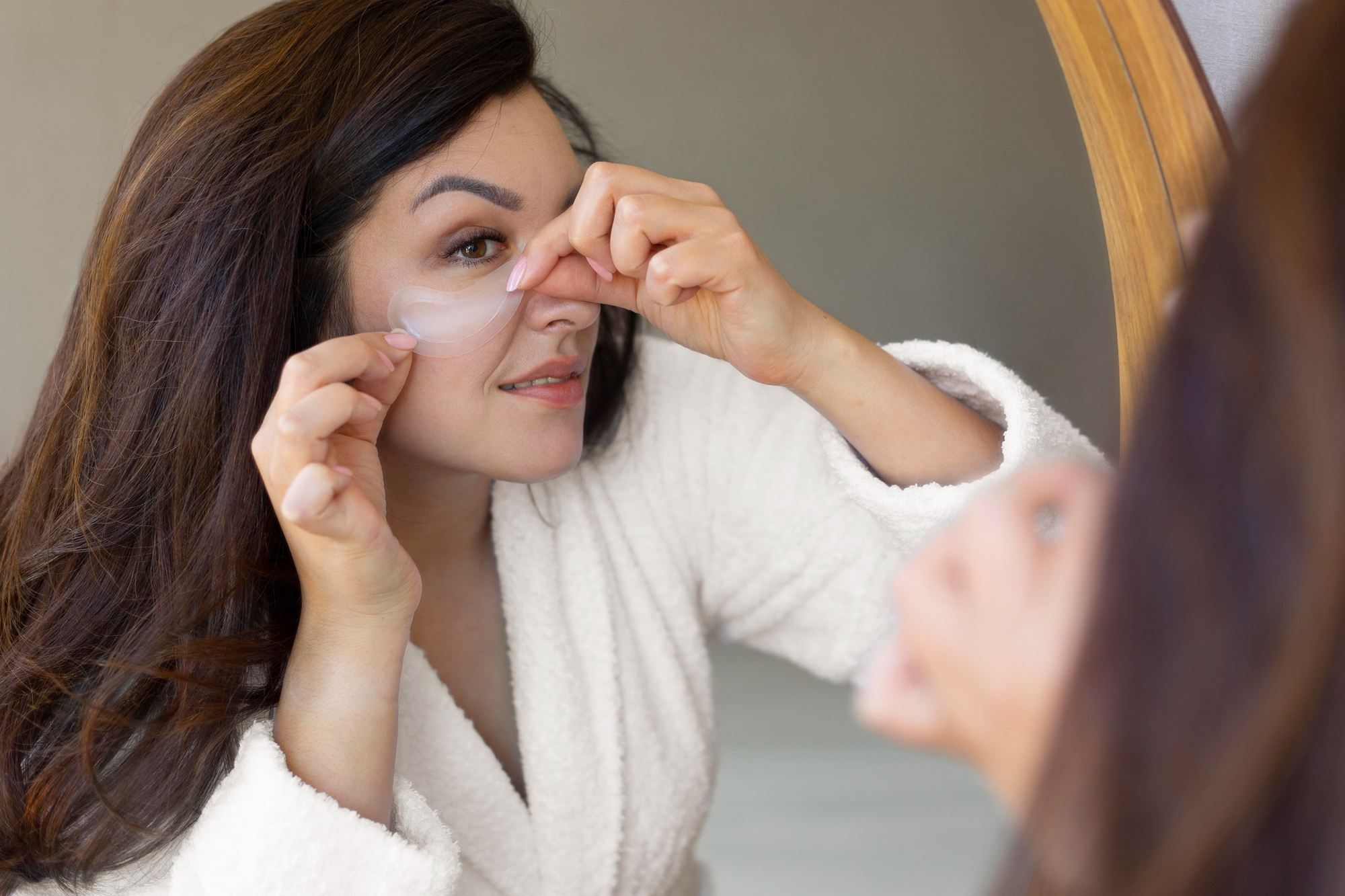
Dark circles under the eyes are a common problem that many people face. They can make you look tired, older, or even unwell. But don’t worry—there are ways to treat and reduce them! In this ultimate guide, we’ll explain everything you need to know about dark circles, including what causes them, how to treat them, and tips from dermatologists to help you achieve brighter, fresher-looking eyes. Let’s dive in!
Also Read: Rare Beauty Tinted Moisturizer: The Secret to a “No-Makeup” Glow?
What Are Dark Circles?
Dark circles are the dark patches or shadows that appear under your eyes. They can range from light brown to deep purple or blue, depending on your skin tone. While they are usually harmless, they can be frustrating to deal with, especially if they make you look tired or older than you are.
What Causes Dark Circles?
There are many reasons why dark circles appear. Here are some of the most common causes:
1. Lack of Sleep
Not getting enough sleep is one of the most common causes of dark circles. When you’re tired, your skin can look pale, making the blood vessels under your eyes more visible.
2. Genetics
Sometimes, dark circles run in families. If your parents have them, you might be more likely to develop them too.
3. Aging
As we age, our skin becomes thinner and loses collagen. This can make the blood vessels under your eyes more noticeable, leading to dark circles.
4. Allergies
Allergies can cause your eyes to itch and swell. Rubbing your eyes can make dark circles worse.
5. Dehydration
When your body is dehydrated, your skin can look dull and sunken, making dark circles more obvious.
6. Sun Exposure
Too much sun can increase the production of melanin (the pigment that gives your skin its color), leading to darker skin under your eyes.
7. Lifestyle Factors
Smoking, drinking alcohol, and eating an unhealthy diet can all contribute to dark circles.
Also Read: The Ultimate Guide to “Beauty Rest”: How Sleep Truly Transforms Your Skin & Health
Types of Dark Circles
Not all dark circles are the same. Understanding the type you have can help you choose the right treatment. Here are the main types:
- Pigmented Dark Circles: These are caused by excess melanin and appear brown or tan.
- Vascular Dark Circles: These are caused by visible blood vessels and appear blue or purple.
- Structural Dark Circles: These are caused by shadows from hollows or bags under the eyes and appear darker when light hits them.
How to Treat Dark Circles: Dermatologist-Approved Tips
Now that you know what causes dark circles, let’s talk about how to treat them. Here are some expert tips from dermatologists:
1. Get Enough Sleep
Aim for 7-9 hours of sleep each night. This will help your skin look fresh and reduce the appearance of dark circles.
2. Stay Hydrated
Drink plenty of water throughout the day to keep your skin hydrated. You can also use a hydrating eye cream to lock in moisture.
3. Use a Cold Compress
Applying a cold compress or chilled cucumber slices to your eyes can reduce puffiness and make dark circles less noticeable.
4. Wear Sunscreen
Protect your skin from the sun by wearing sunscreen every day. Look for a broad-spectrum SPF of 30 or higher.
5. Try Eye Creams
There are many eye creams designed to treat dark circles. Look for ingredients like:
- Vitamin C: Brightens skin and reduces pigmentation.
- Retinol: Boosts collagen and thickens skin.
- Hyaluronic Acid: Hydrates and plumps the skin.
- Caffeine: Reduces puffiness and improves blood flow.
Some popular options include:
- The Ordinary Caffeine Solution
- Kiehl’s Creamy Eye Treatment with Avocado
- Olay Eyes Ultimate Eye Cream
6. Treat Allergies
If allergies are causing your dark circles, try using antihistamines or allergy eye drops. Avoid rubbing your eyes, as this can make the problem worse.
7. Eat a Healthy Diet
A diet rich in vitamins and minerals can improve your skin’s health. Focus on foods high in:
- Vitamin K: Found in leafy greens like spinach and kale.
- Vitamin E: Found in nuts and seeds.
- Omega-3 Fatty Acids: Found in fish like salmon and walnuts.
8. Consider Cosmetic Treatments
If home remedies don’t work, you can consult a dermatologist for professional treatments, such as:
- Chemical Peels: Remove the top layer of skin to reduce pigmentation.
- Laser Therapy: Targets blood vessels or pigmentation.
- Fillers: Add volume to hollow areas under the eyes.
Home Remedies for Dark Circles
If you prefer natural treatments, here are some home remedies you can try:
1. Tea Bags
Place chilled tea bags (green or black tea) on your eyes for 10-15 minutes. The caffeine and antioxidants can help reduce puffiness and dark circles.
2. Aloe Vera
Apply fresh aloe vera gel under your eyes. It’s hydrating and can soothe the skin.
3. Potato Slices
Potatoes contain natural bleaching agents. Place thin slices of potato under your eyes for 10-15 minutes.
4. Rose Water
Soak cotton pads in rose water and place them on your eyes for 10 minutes. Rose water is soothing and can brighten the skin.
How to Prevent Dark Circles
Prevention is always better than cure. Here are some tips to help you avoid dark circles:
- Sleep on Your Back: Sleeping on your stomach or side can cause fluid to pool under your eyes.
- Remove Makeup Before Bed: Leaving makeup on can irritate your skin and make dark circles worse.
- Limit Salt Intake: Too much salt can cause fluid retention and puffiness.
- Quit Smoking: Smoking damages your skin and can make dark circles more noticeable.
- Manage Stress: Stress can affect your sleep and skin health. Practice relaxation techniques like yoga or meditation.
When to See a Dermatologist
If your dark circles don’t improve with home remedies or over-the-counter treatments, it might be time to see a dermatologist. They can help you identify the underlying cause and recommend professional treatments.
Frequently Asked Questions (FAQs)
1. Can dark circles be completely cured?
While some dark circles can be significantly reduced, others may not go away completely. The right treatment can make them less noticeable.
2. Are dark circles a sign of illness?
In most cases, dark circles are not a sign of illness. However, if they appear suddenly or are accompanied by other symptoms, consult a doctor.
3. Can makeup cover dark circles?
Yes, using a good concealer can help cover dark circles. Look for one with a peach or orange undertone to neutralize the darkness.
4. How long does it take to see results from treatments?
Results vary depending on the treatment. Home remedies may take a few weeks, while professional treatments can show results faster.
5. Are there any side effects of cosmetic treatments?
Some treatments, like chemical peels or laser therapy, can cause temporary redness or irritation. Always consult a qualified dermatologist.
Helpful Resources
Here are some resources to help you learn more about treating dark circles:
- American Academy of Dermatology: Expert advice on skincare and treatments.
- Healthline: Articles on dark circles and home remedies.
- YouTube Skincare Channels: Tutorials on using eye creams and concealers.
Final Thoughts
Dark circles can be frustrating, but with the right knowledge and treatments, you can reduce their appearance and achieve brighter, fresher-looking eyes. Whether you try home remedies, over-the-counter products, or professional treatments, the key is to be consistent and patient. Remember, everyone’s skin is different, so what works for one person may not work for another. Don’t be afraid to experiment and find what works best for you.
If you found this guide helpful, share it with your friends and family. And don’t forget to leave a comment below with your thoughts or questions about dark circles. Here’s to brighter, healthier-looking eyes! 👀✨
FAQ: Your Ultimate Guide to Treating Dark Circles, According to Dermatologists
Dark circles under the eyes are a common concern, but they can be tricky to treat. To help you better understand this issue, we’ve compiled a list of frequently asked questions and provided detailed answers based on expert advice from dermatologists. Let’s get started!
1. What exactly are dark circles, and why do they form?
Dark circles are the dark patches or shadows that appear under the eyes. They form due to a combination of factors, including thinning skin, visible blood vessels, pigmentation, and loss of fat or collagen. Common causes include lack of sleep, genetics, aging, allergies, dehydration, and sun exposure. Understanding the root cause of your dark circles is the first step toward treating them effectively.
2. Are dark circles a sign of a health problem?
In most cases, dark circles are not a sign of a serious health problem. However, they can sometimes indicate underlying issues like anemia, thyroid problems, or chronic allergies. If your dark circles appear suddenly, are severe, or are accompanied by other symptoms like fatigue or swelling, it’s a good idea to consult a doctor to rule out any medical conditions.
3. Can lack of sleep really cause dark circles?
Yes, lack of sleep is one of the most common causes of dark circles. When you’re sleep-deprived, your skin becomes pale, making the blood vessels under your eyes more visible. Poor sleep can also lead to fluid retention, causing puffiness and shadows that make dark circles more noticeable. Aim for 7-9 hours of quality sleep each night to help reduce their appearance.
4. How do I know what type of dark circles I have?
There are three main types of dark circles:
- Pigmented: Caused by excess melanin and appear brown or tan.
- Vascular: Caused by visible blood vessels and appear blue or purple.
- Structural: Caused by shadows from hollows or bags under the eyes.
To determine your type, examine the color and texture of the area under your eyes. A dermatologist can also help you identify the type and recommend the best treatment.
5. What ingredients should I look for in eye creams for dark circles?
When choosing an eye cream, look for these key ingredients:
- Vitamin C: Brightens skin and reduces pigmentation.
- Retinol: Boosts collagen and thickens thin skin.
- Hyaluronic Acid: Hydrates and plumps the skin.
- Caffeine: Reduces puffiness and improves blood flow.
- Peptides: Help repair and firm the skin.
Some dermatologist-recommended products include The Ordinary Caffeine Solution and Kiehl’s Creamy Eye Treatment with Avocado.
6. Can home remedies really help with dark circles?
Yes, some home remedies can help reduce the appearance of dark circles, especially if they’re caused by temporary factors like lack of sleep or dehydration. Popular remedies include:
- Cold Compresses: Reduce puffiness and constrict blood vessels.
- Tea Bags: The caffeine and antioxidants in green or black tea can brighten the skin.
- Aloe Vera: Soothes and hydrates the under-eye area.
- Potato Slices: Contain natural bleaching agents that can lighten dark circles.
While these remedies can provide temporary relief, they may not work for everyone or address underlying causes.
7. Are there any lifestyle changes that can help prevent dark circles?
Absolutely! Here are some lifestyle tips to prevent dark circles:
- Get Enough Sleep: Aim for 7-9 hours per night.
- Stay Hydrated: Drink plenty of water throughout the day.
- Eat a Balanced Diet: Focus on foods rich in vitamins C, E, K, and omega-3 fatty acids.
- Wear Sunscreen: Protect your skin from UV damage.
- Manage Stress: Practice relaxation techniques like yoga or meditation.
- Quit Smoking: Smoking damages your skin and worsens dark circles.
8. Can makeup help cover dark circles?
Yes, makeup can be a great way to temporarily conceal dark circles. Use a color-correcting concealer with a peach or orange undertone to neutralize the darkness, followed by a skin-toned concealer. Blend well for a natural look. Some popular products include NARS Radiant Creamy Concealer and Maybelline Instant Age Rewind Eraser.
9. When should I see a dermatologist for dark circles?
You should see a dermatologist if:
- Your dark circles don’t improve with home remedies or over-the-counter products.
- They appear suddenly or worsen over time.
- You have other symptoms like itching, swelling, or pain.
A dermatologist can help identify the cause and recommend professional treatments like chemical peels, laser therapy, or fillers.
10. Are cosmetic treatments for dark circles safe?
Yes, most cosmetic treatments for dark circles are safe when performed by a qualified dermatologist or skincare professional. However, some treatments, like chemical peels or laser therapy, can cause temporary redness, swelling, or irritation. Fillers, while effective for hollow under-eyes, carry a small risk of bruising or uneven results. Always consult a licensed professional to discuss your options and any potential risks.
