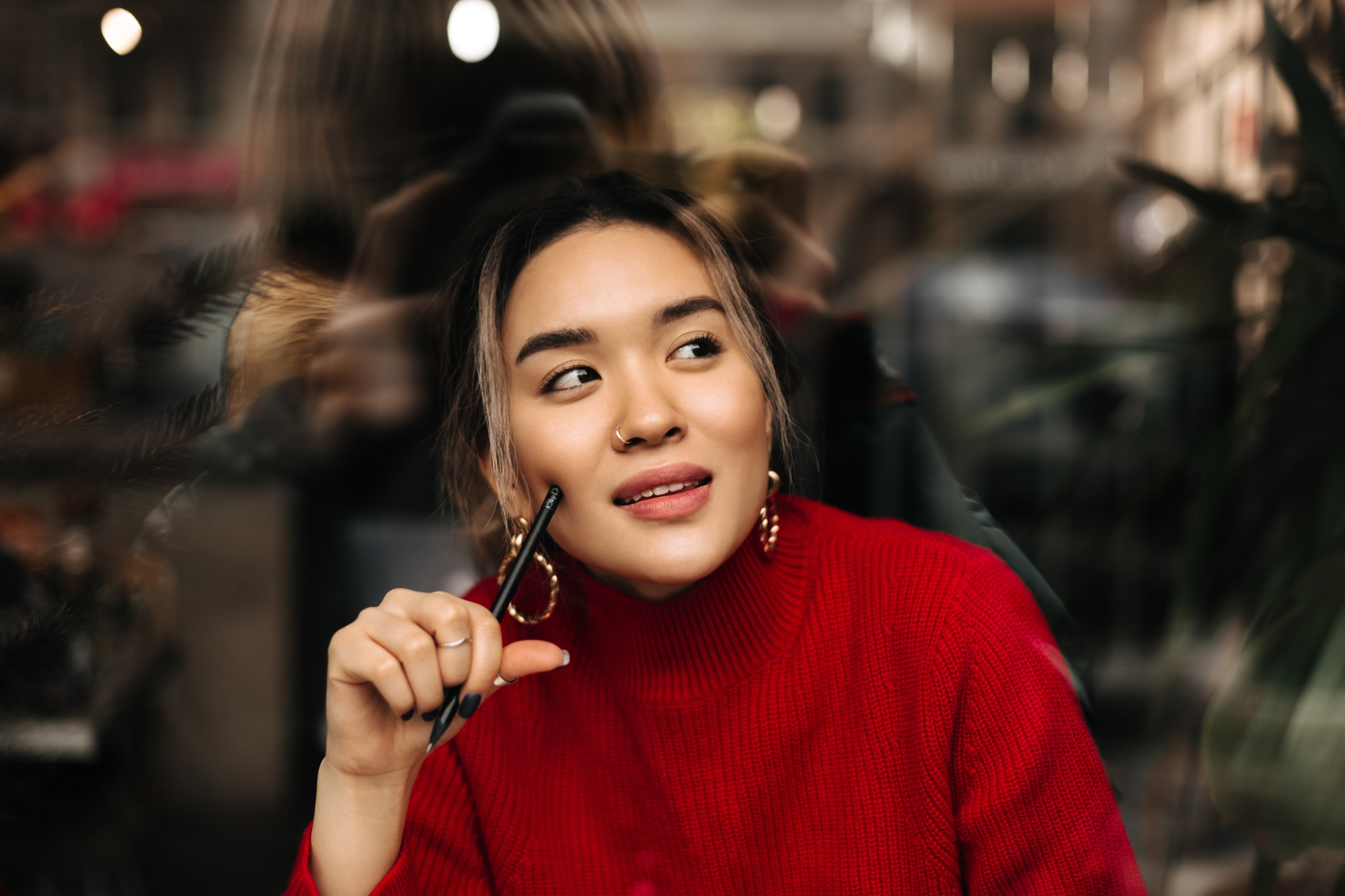
Have you ever scrolled through social media and seen a stunning look from a Chinese influencer or movie star and wondered, “What is the beauty ideal there?”
You’re not alone. For a long time, many in the West thought of Asian beauty as one single idea. But the truth is far more fascinating. Beauty standards in China are on the move. They are changing faster than a high-speed train, creating a unique and often surprising world of what it means to be beautiful.
This isn’t just about makeup and skincare. It’s a story about a ancient culture meeting the modern world, about technology, and about a new generation proudly re-writing the rules.
So, grab a cuppa, get comfortable, and let’s take a deep dive into the exciting and complex world of modern Chinese beauty standards.
Also Read: Wildcrafted Wonder: Is Alpyn Beauty’s Plant-Infused Line the Secret to Glowing Skin?
What’s the Big Picture? A Beauty Revolution
China is experiencing a beauty boom like no other. It’s one of the largest beauty markets in the world. But what people want is changing. It’s a mix of old traditions and very new, tech-driven dreams.
The old saying, “一白遮三丑” (yī bái zhē sān chǒu), which means “Fair skin can hide three faults,” still holds power. But now, it shares the stage with a desire for healthy, glowing skin, defined jawlines, and big, bright eyes.
This revolution is being led by China’s young people – Gen Z and millennials. They are confident, globally connected, and have their own wallets. They don’t just buy products; they buy an identity. They are the engine of this change.
Also Read: My Top 5 Canvas Beauty Tools for a Flawless, Airbrushed Finish
A Look Back: What Were Traditional Chinese Beauty Standards?
To understand today, we must first look at yesterday. Traditional Chinese beauty was delicate, gentle, and poetic.
- Porcelain White Skin: This was, and in many ways still is, the number one rule. Pale skin wasn’t just about looks; it was a sign of social status. It meant you were rich enough not to have to work in the fields under the sun. The ideal was skin like white jade, smooth and flawless.
- A Slender, Willow-like Figure: The ideal body was slim and graceful. Think of the ancient paintings of elegant women with narrow waists and a delicate presence. It was about a gentle, almost fragile beauty.
- Small Face and Almond Eyes: A small, oval-shaped face was considered the perfect canvas. Eyes were admired not for their size, but for their shape – the classic, graceful “almond eye.”
- The Beauty of Restraint: Makeup was often subtle, aiming to enhance natural features rather than transform them. Red lip colour was a classic touch, but the overall look was one of refined elegance.
These ideals were deeply rooted in a culture that valued harmony, subtlety, and a certain type of feminine grace.
The Modern Shift: What is “Beautiful” in China Today?
So, how have these ancient ideals transformed? Let’s break down the key elements of the modern Chinese beauty look.
1. The Never-Ending Quest for Fair Skin
The love for fair skin is far from over, but it has evolved. Today, it’s less about being pale and more about being “bright” (亮白 liàng bái).
People don’t want a flat, chalky white. They want skin that is fair, but also luminous, translucent, and glowing from within. It’s a sign of health and youth. This is why products with ingredients like Niacinamide and Vitamin C, which brighten the complexion, are so incredibly popular. You can learn more about the science of skin brightening at Paula’s Choice, a trusted source for ingredient education.
Also Read: Our Top 5 Farmacy Beauty Products For A Glowing, Healthy Skin Barrier
2. The “Fox Eye” and Big, Double Eyelids
Eyes are a massive focus. The ideal is a large, bright eye that looks awake and alert.
- Double Eyelids (双眼皮 shuāng yǎn pí): While many East Asians naturally have a single eyelid (单眼皮 dān yǎn pí), the double eyelid crease is a huge beauty standard. It’s believed to make the eyes look bigger and more defined. Everything from special glue and tape to permanent surgery is used to achieve this look.
- The “Fox Eye” Trend: This is a modern craze. It’s about an eye that is slanted slightly upwards at the outer corner, looking sharp, alluring, and confident. Makeup techniques are used to lift the eye, and some celebrities even undergo procedures to achieve it. It’s a blend of a traditional almond eye with a more dramatic, modern edge.
3. The V-Line Face
Forget a simple small face; the modern dream is a “V-line” face. This means a slim, narrow jaw that comes to a delicate point at the chin, resembling the letter V. It’s seen as youthful, feminine, and elegant.
This desire is so strong that it fuels a massive industry for:
- Facial Contouring Massages
- “V-Line” Slimming Devices
- Jawline Botox and even Jaw Shaving Surgery (a major cosmetic procedure).
The goal is to avoid a wide or square jaw, which is often unfairly associated with a more “masculine” look.
4. The High Nose Bridge
A high, straight nose bridge is considered a key feature of a beautiful, three-dimensional face. It’s believed to make the entire face look more sculpted and defined.
You’ll find countless makeup tutorials dedicated to “nose contouring,” using shades of foundation and powder to create the illusion of a higher, slimmer nose. Non-surgical nose fillers are also one of the most popular cosmetic procedures.
5. A Slim Body, But With Curves
The traditional “willow” figure is still admired, but there’s a new twist. The modern ideal is to be “瘦不露骨” (shòu bù lòu gǔ) – slim, but so that your bones don’t show.
It’s a slim body, but with a slight, subtle curve. Think of a tiny waist but with a small, perky bottom – often called the “Honey Peach Butt” (蜜桃臀 mì táo tún). This shows the influence of global fitness trends. It’s no longer just about being thin; it’s about being “skinny-fit.” The UK’s NHS Couch to 5K plan is a great example of the kind of accessible fitness that aligns with this global trend.
The Drivers of Change: Why Are Beauty Standards Shifting So Fast?
What is powering this incredible transformation? Several powerful forces are at work.
The Social Media Tsunami: Douyin and Little Red Book
Forget just Instagram and YouTube. In China, apps like Douyin (the Chinese version of TikTok) and Xiaohongshu (Little Red Book) are the real game-changers.
- Douyin is flooded with short, catchy makeup tutorials and beauty reviews. A trend can go viral in hours.
- Little Red Book is like Pinterest and Instagram combined. It’s a platform where millions of users, mostly young women, post detailed reviews, “get-ready-with-me” videos, and honest product testing.
These platforms have given a megaphone to thousands of influencers and everyday people. They create trends, challenge old ideas, and hold brands accountable. They are the new beauty editors of the digital age.
The Rise of “C-Beauty” Brands
For decades, Western brands like L’Oréal and Estée Lauder ruled the market. Not anymore. A new wave of homegrown Chinese brands, called “C-Beauty,” is exploding.
Brands like Perfect Diary, Florasis, and Winona are massive successes. Why?
- They are fast: They can create products based on the latest social media trend in a matter of weeks.
- They understand local needs: Their products are perfectly tailored to Chinese skin types and beauty ideals (like fair, brightening foundations and precise eyeliners for the fox eye look).
- Stunning Packaging: Brands like Florasis create products that look like works of art, often inspired by traditional Chinese culture, making them incredibly attractive to young consumers. You can see this beautiful fusion of art and makeup on Florasis’s Official International Site.
Chinese Pride and “Guochao”
This might be the most important driver. A movement called “Guochao” (国潮), which means “national tide,” is sweeping the nation. It’s a wave of pride in Chinese culture, heritage, and brands.
Young people are proud to be Chinese and want to consume products that reflect that identity. This is why C-Beauty brands are winning. It’s also why we see makeup and fashion collections inspired by Chinese history and art. Beauty is becoming a way to express national pride.
The Other Side of the Coin: The Pressures and Debates
This rapidly changing beauty world isn’t without its problems. The intense focus on very specific features creates real pressure.
The Mental Health Toll
Constantly seeing the “V-line,” “fox eye,” and “porcelain skin” ideal can lead to serious issues with self-esteem and body image, especially for young people. The line between self-improvement and self-rejection can become very blurry.
The “Lookism” Problem
There is a concept in China and South Korea known as “Lookism” – prejudice or discrimination based on a person’s physical appearance. There are stories of people feeling they need to look a certain way to get a good job or find a partner. This adds a stressful, practical dimension to the pursuit of beauty.
The Debate Over Western Influence vs. Chinese Identity
This is a hot topic. As Chinese beauty standards become more defined by a high nose bridge and big eyes, some people ask: Are we just copying Western ideals?
Many argue, however, that the modern Chinese beauty standard is its own unique mix. The “fox eye,” for instance, is seen by many as a celebration of the traditional almond eye, just made more dramatic. It’s a complex debate about globalisation and identity.
A Brighter Future? The New Trends of Inclusivity and Skin Health
Thankfully, the story doesn’t end with pressure. A new, more positive chapter is being written.
Skincare Over Makeup: The “Naked Face” Look
There’s a growing mantra: “Good skin is the best foundation.” Young consumers are obsessed with skincare. They invest in serums, essences, and sunscreens to achieve that coveted “glass skin” – skin that is so clear, hydrated, and smooth it looks like glass.
This shifts the focus from covering up to nurturing. It’s a more holistic and health-conscious approach to beauty. For a great introduction to building a solid skincare routine, the British Skin Foundation provides excellent, dermatologist-backed resources.
The Slow Rise of Body Positivity
While the slim body ideal is still strong, the seeds of body positivity are being planted. On platforms like Little Red Book, you can now find influencers of different sizes talking about healthy living and self-love. The conversation is starting, and it’s a crucial one.
Gender Fluidity in Beauty
One of the most exciting changes is the breaking down of gender norms. Male idols and influencers, known as “xiaoxianrou” (小鲜肉 “little fresh meat”), often wear makeup, have elaborate skincare routines, and embrace a more fluid sense of style. This is making beauty a more open and expressive space for everyone.
Conclusion: A Beauty Identity in Motion
So, what is the modern Chinese beauty standard? The answer is that it’s not one single thing. It is a living, breathing, and constantly changing conversation.
It’s a conversation between:
- The past and the future.
- Global trends and fierce national pride.
- The pressure to conform and the courage to be different.
The “changing face” of Chinese beauty is more than just a phrase. It reflects the heart of a nation that is moving forward at an incredible speed, confidently carving out its own unique identity in the world. It’s a journey from a single, quiet ideal to a vibrant, noisy, and wonderfully diverse spectrum of what beauty can be. And that is a beautiful thing to watch.
Frequently Asked Questions (FAQ)
1. Is the preference for fair skin in China just about looking pale?
No, it’s a much deeper and more evolved concept than simply being pale. Historically, fair skin was a direct indicator of wealth and social status, showing you didn’t have to perform manual labour outdoors. The modern interpretation, however, focuses on “brightness” (亮白 liàng bái) or “translucence.” The ideal is skin that is not only fair but also radiant, clear, and glowing from within—a sign of youth and health. This is why the skincare market is flooded with “brightening” serums containing ingredients like Vitamin C, Niacinamide, and Ferulic Acid, which aim to combat dullness and hyperpigmentation to create a luminous, healthy-looking complexion.
2. What exactly is the “V-Line Face” and why is it so popular?
The “V-Line Face” is the beauty ideal of having a slim, narrow jaw that tapers to a delicate, pointed chin, resembling the shape of the letter ‘V’. It’s considered highly feminine, youthful, and elegant. Its popularity stems from a few factors: it makes the eyes appear larger by contrast, it’s seen as a sign of good bone structure, and it aligns with a delicate, refined aesthetic that has long been valued. The pursuit of this look drives a massive industry, from contouring makeup and facial slimming massages to the extreme measure of jaw shaving surgery, one of the most well-known cosmetic procedures in East Asia.
3. Are Chinese beauty standards just copying Western ideals?
This is a complex and hotly debated topic. While features like a high nose bridge and large eyes are also admired in the West, the way they are interpreted and combined in modern Chinese beauty is unique. The “Fox Eye” trend, for instance, is often seen as a modern, exaggerated take on the traditional “almond eye,” not a direct copy of a Western look. Furthermore, the driving force behind these standards is increasingly powered by national pride and the “Guochao” (national tide) movement. Consumers are proudly embracing homegrown C-Beauty brands that often draw inspiration from Chinese culture and art, creating a distinct aesthetic identity that, while globally influenced, is fundamentally its own.
4. How has social media changed beauty standards in China?
Platforms like Douyin (TikTok) and Xiaohongshu (Little Red Book) have completely revolutionized the beauty landscape. They have:
- Democratized Trends: Anyone can become a trendsetter. A new makeup technique can go viral in hours, unlike the past when trends were dictated by magazines and a few celebrities.
- Increased Speed: The demand for new content has led to incredibly fast product cycles, with brands like Perfect Diary launching collections based on the latest viral sensations.
- Created Communities: Xiaohongshu, in particular, is built on detailed user reviews and tutorials, creating a space for honest discussion and peer-to-peer recommendations, which holds brands accountable and empowers consumers.
5. What is “C-Beauty” and how is it different?
C-Beauty refers to the new wave of Chinese cosmetic and skincare brands that have exploded in popularity. They differ from Western giants in several key ways:
- Hyper-Localization: Their products are specifically formulated for Chinese consumer desires—think foundations with strong brightening effects and shades tailored to lighter skin tones, or eyeliners designed for precise “fox eye” looks.
- Speed-to-Market: They can ideate, produce, and market a new product in a matter of weeks to capitalize on trends.
- Cultural Connection: Brands like Florasis use packaging and product stories inspired by Chinese history and art, tapping into the “Guochao” pride and offering something foreign brands cannot.
6. Is there a growing movement towards inclusivity in Chinese beauty?
Yes, but it’s in its early stages and looks different from Western conversations about inclusivity. The primary focus is not yet on a wide range of skin tones or body sizes, as the consumer market is more homogeneous. However, inclusivity is growing in other important areas:
- Gender Fluidity: Male idols and influencers openly wearing makeup and having elaborate skincare routines are normalizing beauty as a universal interest, not just a feminine one.
- Skin Health: The massive focus on skincare over heavy makeup is a form of inclusivity, promoting the idea that everyone deserves to have healthy, happy skin.
- Niche Communities: On social media, you can increasingly find communities and influencers championing different styles and pushing back against the most rigid standards, slowly broadening the definition of beauty.
7. What is “Lookism” and how does it relate to beauty standards?
“Lookism” is prejudice or discrimination based on a person’s physical appearance. In the context of intensely specific beauty standards, it can have real-world consequences in China, as in other parts of the world. There are anecdotal reports and societal beliefs that being more attractive—fitting the “V-line,” fair skin, and big eyes ideal—can lead to better job opportunities, higher salaries, and even an advantage in finding a partner. This adds a layer of social and economic pressure to conform to these beauty ideals, making them about more than just aesthetics.
8. How do traditional Chinese values still influence modern beauty?
Traditional values continue to serve as a foundation. The ancient preference for fair skin and a slender, graceful figure remains powerfully influential. The modern “Fox Eye” is a direct descendant of the traditional admiration for almond-shaped eyes. Furthermore, the current skincare obsession aligns with a traditional value of nurturing and maintaining one’s health and body. The overall aesthetic still often leans towards harmony, refinement, and an elegant presentation, even if the methods to achieve it are now highly modernized.
9. What is the “glass skin” trend and why is it so popular?
“Glass skin” is a Korean-originated trend that has been wholeheartedly embraced in China. It describes skin that is so thoroughly hydrated, smooth, and clear that it appears translucent and glistening, like glass. Its popularity signifies a major shift in priorities: from covering flaws with makeup to achieving perfect skin through skincare. It promotes a “naked face” look that is seen as the ultimate sign of health, discipline, and wealth (as it implies you can afford high-end skincare products and treatments). This trend has fueled a massive market for essences, serums, sheet masks, and moisturizers.
10. Are plastic surgery and cosmetic procedures common?
Yes, non-surgical and surgical cosmetic procedures are extremely common and increasingly normalized, particularly in major cities. The most sought-after procedures directly reflect the beauty standards:
- Double Eyelid Surgery: To create or enlarge the eyelid crease.
- Rhinoplasty: To build a higher and straighter nose bridge.
- Botox for Jaw Slimming: To reduce the masseter muscle and create a slimmer “V-Line” jaw.
- Fillers: For nose and chin contouring.
There is less stigma attached to these procedures than in the past, especially among younger generations who often view them as a form of self-improvement, similar to investing in skincare or gym memberships.
