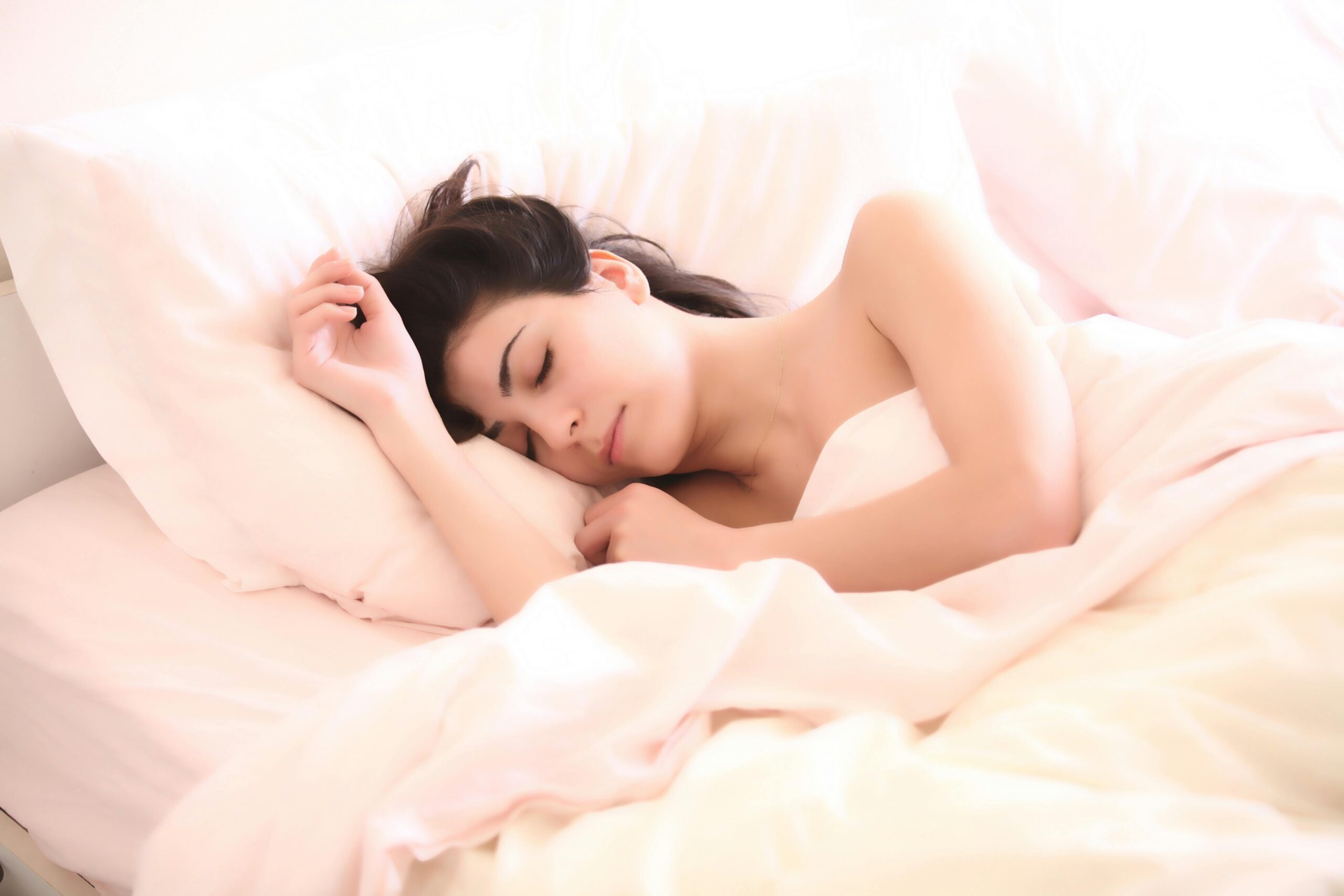
We’ve all heard the phrase “beauty sleep.” Maybe your gran said it, or you’ve seen it in a magazine. It sounds nice, doesn’t it? A bit old-fashioned, even a little bit like a myth. You might think, “I’ll just use a good serum instead.”
But what if I told you that “beauty rest” isn’t just a cute saying? It’s real, powerful science. Skipping sleep is like trying to build a house without any bricks. No amount of expensive paint (or skincare) will fix the shaky foundations.
This isn’t about feeling guilty for a late night. We’ve all been there! This is about understanding the incredible, free magic that happens when you close your eyes. Knowing this can change how you think about your health, your skin, and your time.
Also Read: Our Top 5 Farmacy Beauty Products For A Glowing, Healthy Skin Barrier
So, put down your phone, get cosy, and let’s explore the amazing world of sleep. This is your simple, friendly guide to why rest is the ultimate beauty and health treatment.
Part 1: What Actually Happens When You Sleep? (It’s Not Just “Switching Off”)
Think of your body as a busy city. During the day, it’s all traffic, meetings, and activity. Night-time is when the cleaners come out, the repair crews fix the roads, and the planners get ready for the next day.
Sleep isn’t passive. It’s an active, essential process with different stages, like a nightly maintenance shift for your entire body.
- Stage 1 & 2 (Light Sleep): You’re drifting off. Your body starts to relax, your heart rate slows, and your temperature drops. This is the gateway to deeper rest.
- Stage 3 (Deep Sleep): This is the physical repair zone. Your body releases growth hormone (not just for kids!). This hormone is crucial for fixing daily wear and tear on muscles and tissues. Blood flow to your muscles increases, delivering oxygen and nutrients for repair.
- REM Sleep (Dream Sleep): This is the mental and emotional processing zone. Your brain is almost as active as when you’re awake! It’s sorting memories, processing emotions, and boosting learning and creativity. This stage is vital for your mood and mental health.
You cycle through these stages all night. Missing sleep is like sending the repair crew home early. The work just doesn’t get done.
Part 2: The “Beauty” Part: How Sleep Transforms Your Skin
This is where it gets exciting for your glow. Your skin is your body’s largest organ, and it loves sleep more than any £100 cream.
1. The Collagen Boost (Anti-Ageing)
Collagen is the protein that keeps your skin plump, firm, and youthful. During the day, things like UV rays and pollution create damaging molecules called “free radicals” that break collagen down. During deep sleep, your body ramps up collagen production to repair this damage. Less sleep means less repair, leading to finer lines and looser skin over time.
2. The Moisture Rebalance (Hydration)
Ever woken up with puffy eyes but dry, crepey skin? Sleep helps regulate your body’s hydration levels. It balances things like cortisol (a stress hormone that can break down skin proteins) and releases more hydration-regulating hormones. Good sleep helps your skin better retain moisture, so it looks dewy and fresh, not dull and dry. A great night cream can help, but it works with sleep, not instead of it. Try a hydrating formula like The Inkey List Peptide Moisturiser to support your skin’s overnight repair.
3. The Blood Flow Glow (Circulation)
While you’re resting, blood flow to your skin increases. This delivers more oxygen and nutrients, which helps repair damage from the day and gives you that healthy “morning glow.” Poor sleep means less flow, leading to a pale, dull, or greyish complexion.
4. The Spot-Fighting Effect (Inflammation)
Lack of sleep raises your stress hormones, which can increase inflammation in the body. For skin, this often means more redness, flare-ups of conditions like eczema, and increased breakouts. Giving your body proper rest is one of the most effective ways to calm inflammatory skin.
Part 3: The “Health” Part: The Whole-Body Benefits You Can’t See
The benefits go far deeper than your skin. Consistent, good sleep is a pillar of health, just like diet and exercise.
- For Your Brain: Sleep clears out waste proteins that can build up in the brain. It consolidates memories (helping you learn and remember) and regulates mood. Chronic poor sleep is strongly linked to anxiety, low mood, and poor concentration.
- For Your Heart: Sleep helps regulate blood pressure and gives your heart and blood vessels a chance to rest and repair. Long-term sleep deprivation is linked to a higher risk of heart disease and stroke.
- For Your Weight: Sleep affects the hormones that control hunger (ghrelin) and fullness (leptin). When you’re tired, you crave more high-sugar, high-fat foods for quick energy. Good sleep helps you make better food choices and maintain a healthy metabolism.
- For Your Immune System: During sleep, your body produces infection-fighting proteins called cytokines. Think of it as your immune system’s nightly training session. Skimp on sleep, and you’re more likely to catch that cold going around the office.
Part 4: Why Are We So Bad at It? Common Sleep Stealers
Knowing sleep is good is one thing. Actually getting it is another. Modern life is built against it.
- Blue Light from Screens: Your phone, laptop, and TV emit a blue light that tricks your brain into thinking it’s daytime. This suppresses melatonin, the hormone that makes you feel sleepy. Try using night mode settings or wearing blue-light-blocking glasses in the evening. The UK Sleep Council has great tips on this.
- The “To-Do List” Brain: Stress and anxiety keep your mind racing when your head hits the pillow.
- Irregular Schedules: Going to bed and waking up at different times every day confuses your body’s internal clock (your circadian rhythm).
- Caffeine & Alcohol: That after-dinner coffee or evening glass of wine can seriously disrupt your sleep cycles, even if you feel they help you relax.
- An Uncomfortable Environment: A room that’s too hot, too bright, or too noisy is not inviting for deep sleep.
Part 5: Your Practical Guide to Better “Beauty Rest” (No Perfection Needed!)
You don’t need to transform your life overnight. Small, consistent changes make a huge difference. This is your action plan.
Create Your “Sleep Sanctuary” (The Bedroom)
- Keep it Cool, Dark & Quiet: Aim for around 18°C. Use blackout curtains or a good eye mask. Consider earplugs or a white noise machine if it’s noisy.
- Reserve Your Bed for Sleep (and Sex): Don’t work, watch films, or scroll on your phone in bed. Train your brain to see the bed as a place for rest only.
- Invest in Your Bedding: A comfortable, supportive mattress and pillows are worth every penny. The National Bed Federation offers buying guides.
Build a “Wind-Down” Ritual (The 60-Minute Pre-Bed Rule)
This tells your body it’s nearly time to switch off.
- Power Down: Turn off all screens at least 60 minutes before bed. Read a physical book or magazine instead.
- Take a Warm Bath or Shower: The rise, then fall, in body temperature can promote sleepiness.
- Write it Down: Keep a notepad by your bed. If your mind is racing, write down your worries or tomorrow’s to-do list to get them out of your head.
- Try a Calming Practice: Gentle yoga, deep breathing, or meditation can signal relaxation. Apps like Calm or Headspace have great sleep stories and guided sessions.
Master Your Daily Habits (The Daytime Prep)
- Get Morning Light: Exposure to natural light within an hour of waking helps set your circadian rhythm. Even a 10-minute walk makes a difference.
- Watch Your Stimulants: Avoid caffeine after 2 pm. Be mindful of alcohol close to bedtime—it might help you fall asleep, but it ruins sleep quality later in the night.
- Move Your Body: Regular exercise promotes better sleep, but try to finish intense workouts at least 3 hours before bed.
- Be Consistent: Try to go to bed and wake up at roughly the same time every day, even on weekends. This is one of the most powerful tools you have.
What About Sleep Supplements and Aids?
Sometimes you need a little help. Always speak to your GP or a pharmacist before starting any new supplement.
- Melatonin: A hormone your body makes naturally. Supplements can help reset your sleep-wake cycle (like with jet lag) but are usually a short-term aid.
- Magnesium: Some people find a magnesium supplement (like magnesium glycinate) helps muscles relax. You can find these at Holland & Barrett.
- Herbal Teas: A cup of caffeine-free chamomile, valerian root, or lavender tea can be a lovely, calming part of your ritual.
Listening to Your Body: When to Seek Help
If you’ve tried improving your habits for a few weeks and still struggle with chronic insomnia (taking over 30 minutes to fall asleep, waking constantly), loud snoring, or extreme tiredness during the day, it’s time to see your GP. They can check for underlying conditions like sleep apnoea and refer you to a sleep specialist. Don’t suffer in silence.
The Final Word: Be Kind to Yourself
“Beauty rest” is not about achieving a perfect eight hours every single night. Life happens! It’s about making sleep a priority, not a luxury or an afterthought.
Think of it as the most important appointment in your diary—with yourself. It’s the time when your body does its most profound healing, repairing, and restoring. No product, potion, or superfood can match it.
So tonight, give yourself permission to log off early. Draw the curtains, put on your comfiest pyjamas, and know that by simply closing your eyes, you’re giving your skin and your health the very best treatment possible.
Sweet dreams.
Useful UK Resources & Links:
- The Sleep Charity: Offers advice and support for adults and children.
- NHS – How to get to sleep: Trusted, simple advice from the NHS.
- Mind – Sleep and mental health: Great information on the sleep-mental health link.
FAQ: Your Beauty Rest Questions Answered
1. What exactly is “beauty sleep”? Is it a real biological process?
Yes, it is a very real and critical biological process. The term “beauty sleep” refers to the essential, active repair work your body and skin undergo during the deeper stages of sleep, particularly Slow-Wave Sleep (Stage 3). During this phase, blood flow to the skin increases, delivering oxygen and nutrients. Crucially, your body ramps up production of growth hormone and human growth hormone (HGH), which stimulates collagen and elastin synthesis to repair daily UV and environmental damage, and supports cell turnover. It’s a nightly “reset” where your body fixes wear and tear—a process no cream can replicate.
2. How many hours of sleep do I actually need to see benefits for my skin and health?
While the often-cited “8 hours” is a good average, individual needs vary slightly (between 7-9 hours for most adults). The key metric is consistency and sleep cycles. A full sleep cycle (Light, Deep, and REM sleep) takes about 90 minutes. Waking up in the middle of a deep sleep phase can leave you groggy, even after 8 hours. Aiming for 7.5 or 9 hours can mean waking between cycles. More important than a rigid number is waking up feeling refreshed most days and protecting your sleep time as a non-negotiable part of your health routine.
3. Can a good skincare routine make up for a lack of sleep?
No, a skincare routine cannot compensate for chronic sleep deprivation. Think of it this way: skincare products are like topical maintenance and protection. They cleanse, hydrate, and deliver active ingredients to the skin’s surface and upper layers. Sleep, however, is foundational repair from within. It’s when the body’s internal healing mechanisms—collagen synthesis, cellular turnover, inflammation reduction—are most active. Using great products on a sleep-deprived body is like painting a wall while the house’s foundations are crumbling. They work best in synergy.
4. Why do I get puffy eyes and dark circles when I’m tired?
These are two distinct issues with different causes. Puffiness (or “morning periorbital edema”) happens because when you lie down, fluid can settle in the loose tissue under your eyes. During good sleep, your body’s circulation and lymphatic drainage effectively process this fluid. Poor sleep impairs this drainage. Dark circles are often due to a combination of factors: thinning of the under-eye skin (making blood vessels more visible), poor circulation leading to deoxygenated blood showing as blue/purple, and sometimes shadowing from puffiness itself. Fatigue dilates blood vessels and can worsen both issues.
5. What is the single most effective thing I can do tonight to improve my sleep quality?
The most impactful, immediate change is to implement a strict digital sunset. Turn off all phones, tablets, laptops, and TVs at least 60 minutes before your target bedtime. The blue light emitted suppresses melatonin production, the hormone that signals sleep. This also helps calm a racing mind. Use this time to read a physical book, take a warm bath (the rise and fall in body temperature induces sleepiness), or practice gentle stretches. This one habit tackles both a major physiological and psychological sleep disruptor.
6. Does the position I sleep in (side, back, stomach) affect my skin?
Yes, it can. Sleeping on your back (supine) is generally considered best for skin and wrinkle prevention, as your face isn’t pressed into a pillow, causing compression creases that can, over years, become permanent sleep lines. Stomach sleeping is the most aggravating for this. Side sleeping can contribute to lines on the cheek and décolletage. For hair, sleeping on a silk or satin pillowcase can reduce friction, breakage, and creasing for both skin and hair. A product like Slip’s Silk Pillowcases is a popular investment.
7. How does stress impact my sleep, and what’s the vicious cycle?
Stress and poor sleep create a powerful negative feedback loop. Daytime stress raises levels of cortisol, the “alert” hormone. High cortisol at night inhibits the release of melatonin and keeps you in a state of “hyperarousal,” making it hard to fall and stay asleep. Consequently, poor sleep then impairs the brain’s ability to regulate emotions the next day, lowering your stress threshold and increasing anxiety and irritability. This creates more stress, leading to another bad night. Breaking this cycle requires addressing both sides: daytime stress management (mindfulness, exercise) and nighttime sleep hygiene.
8. Are “sleep tracking” apps and devices useful, or do they cause more anxiety?
They can be a double-edged sword. Used wisely, they can provide helpful insights into your sleep patterns and consistency. However, they can also fuel “orthosomnia” – an unhealthy obsession with achieving perfect sleep data, which itself creates performance anxiety and ruins sleep. If you use a tracker, focus on the broader trends over weeks (e.g., noticing that alcohol reduces your deep sleep) rather than fixating on a single night’s score. Your subjective feeling of refreshment is a more important metric than a device’s algorithm.
9. I’m a shift worker. How can I possibly get good “beauty rest”?
Shift work is incredibly challenging for circadian rhythms. The goal is to maximise sleep quality whenever you can. Key strategies include: using blackout curtains and a strict “nighttime” ritual before sleeping during the day, wearing blue-light-blocking glasses on your commute home in the morning to signal “night” to your brain, and maintaining the cool, dark, quiet bedroom principles regardless of the hour. Prioritising sleep on your days off and speaking to your GP for advice is also important, as long-term shift work has significant health implications.
10. When should I actually see a doctor about my sleep problems?
You should consult your GP if poor sleep is affecting your daytime function for more than a few weeks. Specific red flags include: consistently taking over 30 minutes to fall asleep, waking up multiple times per night and struggling to return to sleep, loud snoring punctuated by gasps or pauses (a sign of sleep apnoea), or experiencing overwhelming daytime sleepiness that affects safety (like while driving). Your GP can check for underlying conditions (like anxiety, sleep apnoea, or restless legs syndrome) and may refer you to a sleep specialist. Don’t accept chronic tiredness as normal.
