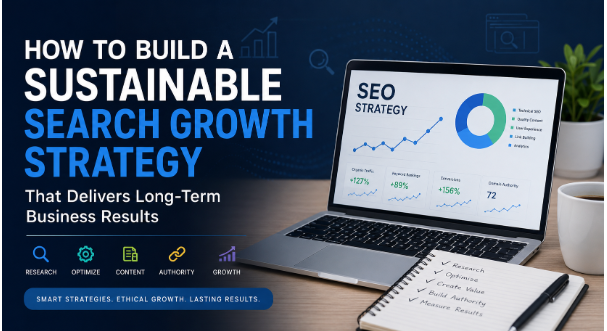
Every business wants consistent online visibility, but achieving lasting search performance requires more than chasing trends or reacting to algorithm updates. Search engines have become increasingly sophisticated, rewarding websites that provide genuine value, excellent user experiences, and trustworthy information.
Rather than focusing on short-term tactics that deliver temporary improvements, successful organizations develop sustainable strategies that continue generating qualified traffic for years. This approach combines technical excellence, valuable content, user-focused design, and continuous optimization into a cohesive digital marketing framework.
Companies that prioritize long-term search success understand that every website improvement contributes to stronger authority, increased credibility, and better customer experiences. Instead of looking for shortcuts, they invest in building digital assets that become more valuable over time.
This article explores the essential components of a sustainable search strategy and explains how businesses can create lasting competitive advantages in an increasingly competitive online environment.
Why Long-Term Thinking Matters in Search Marketing
Search engines continuously refine their algorithms to identify websites that genuinely deserve high rankings. Their primary objective remains unchanged: delivering the most relevant, accurate, and helpful results to users.
Businesses that embrace long-term planning typically experience:
More stable organic traffic
Higher conversion rates
Stronger brand authority
Lower customer acquisition costs
Greater resilience during algorithm updates
Sustainable optimization focuses on improving every aspect of the website rather than relying on isolated ranking tactics.
Understanding Your Audience Before Optimizing
Keyword research is only the beginning.
The most successful websites first identify their audience’s goals, frustrations, and decision-making processes. Understanding why users perform searches allows businesses to create content that genuinely satisfies search intent.
Questions worth exploring include:
What problems are customers trying to solve?
Which questions appear repeatedly?
What information influences buying decisions?
Which formats do users prefer?
Where do competitors leave information gaps?
Answering these questions helps shape a content strategy that aligns with real customer needs instead of assumptions.
Building Strong Technical Foundations
Even exceptional content struggles to perform if a website has technical issues.
Important technical priorities include:
Fast Page Loading
Visitors expect pages to load almost instantly. Faster websites reduce bounce rates while improving user satisfaction.
Optimization methods include:
Image compression
Browser caching
Efficient code
Modern hosting
Content delivery networks
Mobile Optimization
Most searches now occur on smartphones.
Responsive layouts, readable fonts, touch-friendly navigation, and optimized images improve accessibility across every device.
Site Structure
Logical navigation helps both visitors and search engines understand relationships between pages.
A well-organized website typically includes:
Clear categories
Internal linking
Consistent navigation
XML sitemaps
Descriptive URLs
These improvements strengthen crawlability and improve overall usability.
Creating Content That Continues Delivering Value
Evergreen content remains useful long after publication.
Instead of producing articles solely around temporary trends, businesses should prioritize resources that answer ongoing customer questions.
Examples include:
Complete guides
Tutorials
Industry explainers
Case studies
Best practices
Frequently asked questions
Updating existing content regularly often produces stronger long-term performance than constantly publishing entirely new articles.
The Role of a Professional SEO Strategy
As search competition increases, many organizations discover that handling optimization internally becomes increasingly difficult. Working with an experienced SEO consulting agency provides access to specialized expertise, advanced auditing capabilities, competitive analysis, and strategic planning that aligns search performance with broader business goals.
Rather than focusing exclusively on rankings, experienced consultants evaluate technical infrastructure, content quality, conversion optimization, analytics, and long-term growth opportunities. Their objective is creating sustainable improvements that continue generating measurable business results instead of temporary ranking spikes.
This collaborative approach enables businesses to prioritize high-impact initiatives while avoiding costly optimization mistakes.
Measuring the Metrics That Truly Matter
Rankings alone rarely tell the full story.
Businesses should monitor performance indicators that directly support growth objectives.
Useful metrics include:
Organic Traffic Quality
Instead of simply counting visitors, evaluate:
Time on page
Bounce rate
Returning visitors
Pages per session
High-quality traffic usually converts more effectively.
Conversion Performance
Track actions that generate business value:
Contact form submissions
Product purchases
Newsletter subscriptions
Phone calls
Quote requests
Traffic without conversions provides limited value.
User Engagement
Strong engagement often indicates that content successfully satisfies user intent.
Helpful indicators include:
Scroll depth
Video completion
Session duration
Internal navigation
Resource downloads
Why Authority Develops Gradually
Trust cannot be manufactured overnight.
Search engines evaluate numerous signals before considering a website authoritative.
These signals often include:
Content expertise
Citation quality
User engagement
Brand recognition
Consistency
Publishing history
Organizations that continuously improve these areas often experience increasingly stable search visibility.
Ethical Link Building That Supports Growth
Quality backlinks remain an important ranking factor, but earning them requires genuine value.
Effective strategies include:
Publishing original research
Producing comprehensive guides
Creating visual resources
Sharing industry data
Participating in expert interviews
Building partnerships
Natural editorial links generally provide stronger long-term value than artificially acquired links.
Why User Experience Influences Search Success
Modern optimization extends far beyond keywords.
Search engines increasingly analyze how users interact with websites.
Important experience factors include:
Navigation
Visitors should immediately understand where to go next.
Simple menus and intuitive layouts reduce frustration.
Readability
Large text blocks discourage engagement.
Improve readability through:
Short paragraphs
Descriptive headings
Bullet points
Images
White space
Accessibility
Accessible websites serve wider audiences while supporting stronger usability.
Consider:
Alternative image text
Keyboard navigation
Color contrast
Clear headings
Descriptive links
Content Refreshing as an Ongoing Strategy
Older articles often represent untapped opportunities.
Updating existing content may include:
Refreshing statistics
Improving formatting
Expanding explanations
Adding visuals
Updating references
Removing outdated information
Search engines frequently reward refreshed, accurate content that continues serving users effectively.
Making Better Decisions Through Analytics
Data should guide every optimization effort.
Instead of relying on assumptions, businesses should regularly evaluate:
Top-performing pages
Declining traffic
Conversion funnels
Exit pages
User journeys
Device performance
These insights reveal where improvements will likely produce the greatest return.
Ethical Optimization Builds Lasting Success
Many businesses become tempted by shortcuts promising rapid rankings.
However, White hat SEO emphasizes methods that align with search engine guidelines while prioritizing users above algorithms. This includes producing valuable content, improving website performance, earning authentic backlinks, and maintaining transparent optimization practices.
Organizations that consistently follow ethical optimization principles generally experience more stable rankings, stronger brand credibility, and reduced risk from future algorithm updates. Sustainable success comes from building trust rather than attempting to manipulate search systems.
The Connection Between Digital Growth and Financial Planning
Business leaders increasingly recognize that digital visibility should be viewed as a strategic asset rather than simply a marketing expense. Similar to Investing in infrastructure, employee development, or product innovation, allocating resources toward sustainable search growth creates long-term value that compounds over time.
Unlike many advertising campaigns that stop generating results once spending ends, well-executed search optimization can continue attracting qualified visitors for months or even years. This makes long-term digital strategy an important consideration within broader business planning and resource allocation.
Viewing search initiatives through this long-term perspective encourages organizations to prioritize quality improvements that deliver ongoing returns instead of pursuing only immediate outcomes.
Preparing for Future Search Trends
Search technology continues evolving through artificial intelligence, conversational interfaces, personalized experiences, and increasingly sophisticated ranking systems.
Businesses can prepare by:
Publishing genuinely helpful content
Demonstrating subject expertise
Improving technical performance
Maintaining accurate information
Enhancing user experience
Monitoring emerging search behaviors
Adaptability will remain one of the strongest competitive advantages.
Final Thoughts
Long-term search success is built through consistent improvement rather than quick wins. Businesses that focus on technical excellence, valuable content, ethical optimization, and outstanding user experiences create digital foundations that continue producing measurable results over time.
Instead of reacting to every algorithm change, organizations should invest in strategies that strengthen trust, authority, and customer satisfaction. As search engines continue rewarding quality and relevance, sustainable optimization will remain one of the most reliable ways to achieve lasting online growth and competitive advantage
