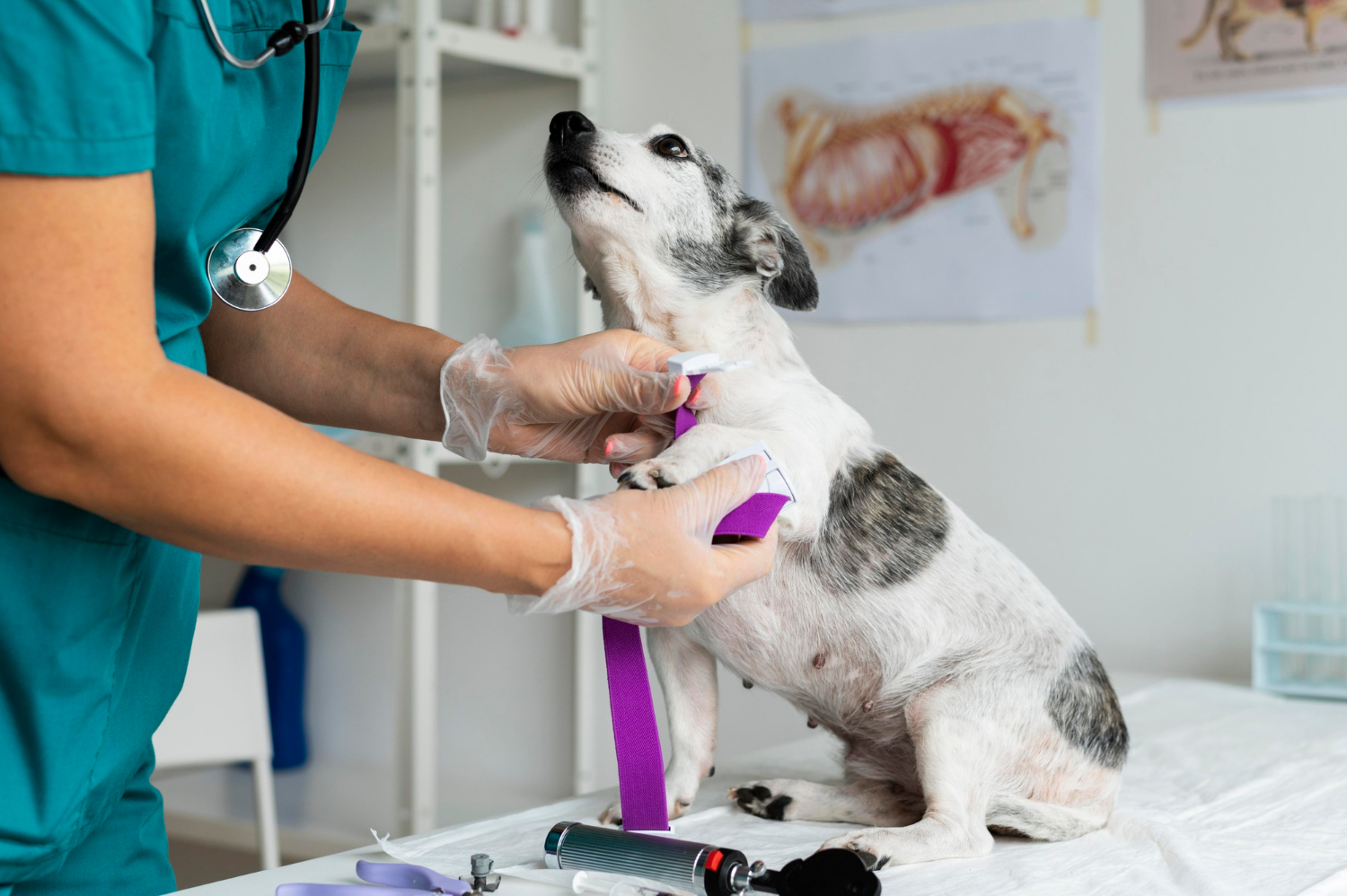
Are you a dog owner or thinking about bringing a furry friend into your home? If so, you’ve probably heard the term “neutering” thrown around. But what exactly does it mean? Why is it important? And how does it affect your dog? In this article, we’ll dive deep into the world of dog neutering, answering all your questions in simple, easy-to-understand language. Plus, we’ll include helpful links to trusted resources so you can learn even more. Let’s get started!
Also Read: Pet Euthanasia: Everything You Need to Know
What Is Dog Neutering?
Neutering is a surgical procedure performed by a vet to prevent male dogs from reproducing. It involves removing the testicles, which are responsible for producing sperm. For female dogs, a similar procedure called spaying removes the ovaries and sometimes the uterus.
Neutering is a common practice recommended by vets and animal welfare organizations like the RSPCA and PDSA. It’s not just about preventing puppies—it also has significant health and behavioral benefits for your dog.
Also Read: Everything You Need to Know About Albino Monkeys
Why Should You Neuter Your Dog?
Neutering your dog is one of the most responsible decisions you can make as a pet owner. Here’s why:
- Prevents Unwanted Puppies: Millions of dogs end up in shelters every year, and many are euthanized due to overpopulation. Neutering helps reduce this problem. Learn more about the impact of overpopulation from the Blue Cross.
- Health Benefits: Neutering lowers the risk of testicular cancer and prostate issues in male dogs.
- Better Behavior: Neutered dogs are less likely to roam, fight, or mark their territory indoors.
- Longer Lifespan: Studies show that neutered dogs tend to live longer, healthier lives.
When Is the Right Time to Neuter Your Dog?
The ideal age for neutering depends on your dog’s breed, size, and overall health. Most vets recommend neutering between 6 to 9 months of age. However, larger breeds may need to wait until they’re older to allow proper bone and joint development.
For more specific advice, consult your vet or check out this helpful guide from the Kennel Club.
How Is Neutering Done?
Neutering is a straightforward procedure performed under general anesthesia. Here’s what happens:
- Before the Surgery: Your dog will undergo a health check to ensure they’re fit for surgery. They’ll also need to fast (no food) for a few hours beforehand.
- During the Surgery: The vet makes a small incision near the scrotum, removes the testicles, and stitches the wound. The procedure usually takes 30 minutes to an hour.
- After the Surgery: Your dog will be monitored as they wake up. Most dogs can go home the same day but will need rest and care to recover fully.
For a step-by-step explanation, visit the PDSA’s guide to neutering.
What Are the Benefits of Neutering?
Neutering offers numerous benefits for your dog and the community:
- Reduces Overpopulation: By preventing unwanted litters, neutering helps reduce the number of homeless dogs.
- Improves Behavior: Neutered dogs are calmer, less aggressive, and less likely to roam.
- Healthier Life: Neutering reduces the risk of certain cancers and infections.
- Cost-Effective: The cost of neutering is far less than caring for a litter of puppies or treating health issues in unneutered dogs.
For more on the benefits, check out this article from the RSPCA.
Are There Any Risks or Side Effects?
While neutering is generally safe, there are some risks to be aware of:
- Pain and Discomfort: Your dog may feel some pain after surgery, but this can be managed with medication.
- Infection: There’s a small risk of infection at the surgery site, but keeping the area clean can prevent this.
- Weight Gain: Neutered dogs may gain weight more easily, so monitor their diet and exercise.
For more information on risks and how to minimize them, visit the Blue Cross.
How to Care for Your Dog After Neutering
Post-surgery care is crucial for a smooth recovery. Here’s what you need to do:
- Rest: Keep your dog calm and avoid strenuous activities like running or jumping.
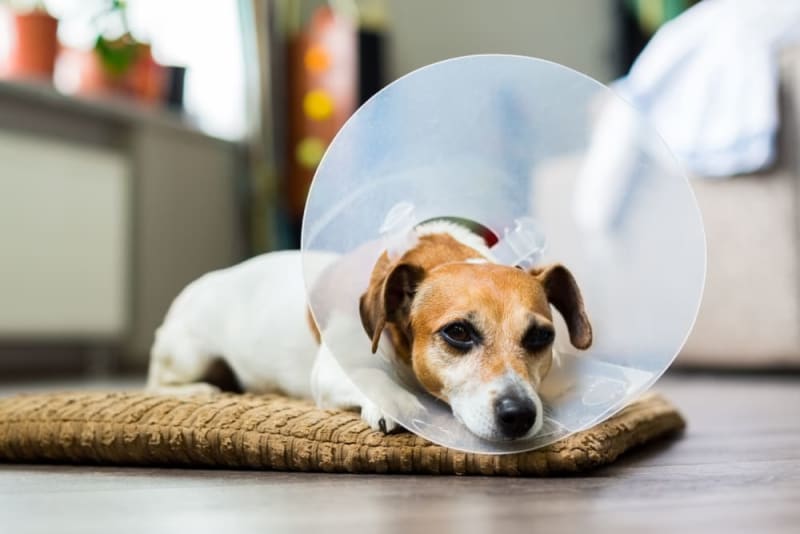
- Prevent Licking: Use a cone (Elizabethan collar) to stop your dog from licking the wound.
- Monitor the Wound: Check the incision site daily for signs of infection, such as redness or swelling.
- Follow Vet Instructions: Administer any prescribed medications and follow your vet’s advice on feeding and activity.
For a detailed post-surgery care guide, visit the PDSA.
Common Myths About Neutering
There are many misconceptions about neutering. Let’s debunk a few:
- Myth: Neutering Changes Your Dog’s Personality
Fact: Neutering doesn’t change your dog’s personality—it only reduces certain behaviors like aggression and roaming. - Myth: Neutering Is Expensive
Fact: The cost of neutering is far less than the cost of caring for a litter of puppies. Many charities offer low-cost options. - Myth: Neutering Makes Dogs Fat
Fact: Neutering can slow metabolism, but weight gain can be managed with a healthy diet and exercise.
For more myth-busting, check out this article from the Kennel Club.
Conclusion
Neutering is a simple, safe, and responsible choice for dog owners. It helps control the dog population, improves your dog’s health, and can even make them easier to manage. While there are some risks, they are minimal, and most dogs recover quickly.
If you’re unsure about neutering, talk to your vet or visit trusted resources like the RSPCA or PDSA for more information.
By neutering your dog, you’re not just helping them—you’re also contributing to a happier, healthier pet population. So, take the step today and give your dog the gift of a longer, healthier life!
If you found this article helpful, share it with other dog owners and spread the word about the importance of neutering! 🐾
Frequently Asked Questions (FAQs) About Dog Neutering
If you’re considering neutering your dog, you probably have a lot of questions. Don’t worry—we’ve got you covered! Here are 10 common questions about dog neutering, answered in detail to help you make an informed decision.
1. What Exactly Is Dog Neutering?
Neutering is a surgical procedure performed by a vet to remove a male dog’s testicles, preventing him from reproducing. For female dogs, a similar procedure called spaying removes the ovaries and sometimes the uterus. Neutering is a common practice recommended by vets and animal welfare organizations to control the pet population and improve your dog’s health and behavior.
For more details, check out this guide from the PDSA.
2. Why Should I Neuter My Dog?
Neutering offers numerous benefits:
- Prevents Unwanted Puppies: Reduces the number of homeless dogs in shelters.
- Health Benefits: Lowers the risk of testicular cancer and prostate issues.
- Behavioral Improvements: Reduces aggression, roaming, and marking territory.
- Longer Lifespan: Neutered dogs tend to live longer, healthier lives.
Learn more about the benefits from the RSPCA.
3. When Is the Best Time to Neuter My Dog?
The ideal age for neutering depends on your dog’s breed and size. Most vets recommend neutering between 6 to 9 months of age. However, larger breeds may need to wait until they’re older to allow proper bone and joint development. Consult your vet for personalized advice.
For breed-specific recommendations, visit the Kennel Club.
4. Is Neutering Painful for My Dog?
Neutering is performed under general anesthesia, so your dog won’t feel any pain during the surgery. After the procedure, they may experience some discomfort, but this can be managed with painkillers prescribed by your vet. Most dogs recover quickly and are back to their normal selves within a week or two.
5. How Much Does Neutering Cost?
The cost of neutering varies depending on your location and your dog’s size. In the UK, it typically costs between £100 and £300. Some charities, like the PDSA and Blue Cross, offer low-cost neutering services for pet owners on a budget.
6. Are There Any Risks or Side Effects?
While neutering is generally safe, there are some risks, including:
- Pain and Discomfort: Managed with medication.
- Infection: Rare but possible; keep the wound clean.
- Weight Gain: Neutered dogs may gain weight more easily, so monitor their diet and exercise.
For a detailed breakdown of risks, visit the Blue Cross.
7. How Long Does It Take for a Dog to Recover After Neutering?
Most dogs recover within 10 to 14 days. During this time, keep your dog calm and avoid strenuous activities. Monitor the incision site for signs of infection, and follow your vet’s post-surgery care instructions.
For a step-by-step recovery guide, check out this article from the PDSA.
8. Will Neutering Change My Dog’s Personality?
No, neutering won’t change your dog’s personality. It may reduce certain behaviors like aggression, roaming, and marking territory, but your dog will still be the same loving pet you know and adore.
9. Can I Neuter an Older Dog?
Yes, older dogs can be neutered, but the risks may be slightly higher due to age-related health issues. Your vet will assess your dog’s health and recommend the best course of action. Neutering an older dog can still provide health benefits, such as reducing the risk of certain cancers.
10. Where Can I Get My Dog Neutered?
Most veterinary clinics offer neutering services. If cost is a concern, charities like the PDSA and RSPCA provide low-cost options. Contact your local vet or animal welfare organization to find a neutering service near.
