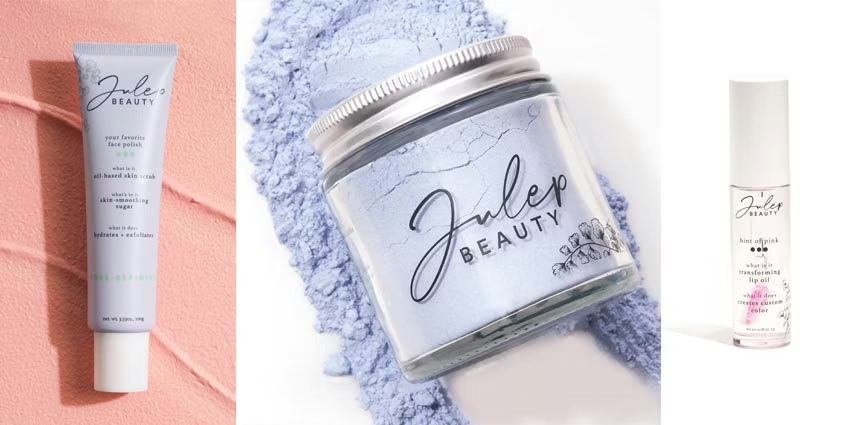
Imagine this. It’s 2007. You want a really good manicure. Something a bit more special than your local salon. You hear about this place in Seattle, America, called Julep. It’s not just a nail salon. It’s a whole experience. They have these amazing, long-lasting nail colours with clever names. They serve you bubbly drinks. You leave feeling like a million dollars.
Now, fast forward to today. You’re scrolling online, and you see an ad for a Julep Beauty Box. Or you’re in your local Boots, and you spot their colourful nail polish bottles. You might think, “Wait, is that the same Julep?”
Also Read: Fenty Beauty Arcane Drop: Every Product, Shade, and How to Get It.
Yes, it is. And the journey of how Julep went from a single, fancy nail bar to a global beauty brand that lands on your doorstep is one of the most interesting stories in beauty. It’s a story about a clever idea, big risks, and learning to change. Let’s walk through it together, step by step.
The Beginning: A Nail Salon with a Big Idea
The story starts with a woman named Jane Park. She wasn’t a beauty mogul at first. She was a lawyer and a business strategist. But she saw a gap in the market. She felt that getting a manicure should be a luxurious treat, not just a quick chore. In 2007, she opened the first Julep Nail Parlour in Seattle.
It was an instant hit. Why? Because Jane understood experience. The salons were beautiful. The polish formulas were “5-Free” (meaning they left out nasty chemicals like formaldehyde). They had fun, creative names. But more than that, Jane listened to her customers. She noticed they kept asking, “What colour is that? Can I buy it?” They didn’t just want the service; they wanted the product.
This was the first lightbulb moment. The salon wasn’t just a place for a service; it was a live testing lab and a shop window for Julep’s own nail polish line.
The Big Pivot: The Birth of the Maven Programme
In 2011, Jane Park had her second, much bigger lightbulb moment. This one would change everything. She launched the Julep Maven programme.
This was one of the very first beauty subscription boxes in the world. The idea was simple but brilliant:
- You sign up online.
- You take a fun quiz about your style (Are you “Classic with a Twist”? “Boho Glam”? “Modern Beauty”?).
- Every month, a beautiful box arrives at your door with 2-3 new, full-sized Julep products.
- You get them before anyone else, for less than retail price.
It was a sensation. For customers, it felt like a monthly gift to themselves. For Julep, it was a stroke of genius. It built a direct, loyal relationship with thousands of women. It provided a steady income. And it was a perfect way to launch new products and get instant feedback. You can see how this model works on their official Julep website.
Suddenly, Julep wasn’t just a salon in Seattle. It was a beauty club with members all across America. The boxes were a hit in the UK too, often shipped internationally to eager fans.
Branching Out: Beyond the Nail Polish Bottle
With a loyal “Maven” community hooked, Julep started to grow. They listened to what their customers wanted next. It wasn’t just nails.
They began creating skincare and makeup. Their Plié Wand, a uniquely shaped silicone makeup applicator, became a cult favourite. They launched mascaras, eyeliners, and most famously, their skincare line.
This was a big move. Could a nail polish company make good face cream? They focused on their core promise: clean, effective formulas. Their Don’t Leave Your Brows At Home tinted brow gel and their Boost Your Radiance rosehip seed facial oil became staples for many. You can often find these bestsellers at UK retailers like Lookfantastic.
Facing the Storm: When Things Got Tough
The story isn’t all smooth sailing. In the mid-2010s, the beauty subscription box market became very crowded. Brands like Ipsy and Birchbox were huge competitors. Julep faced financial difficulties. In 2019, the company had to file for a form of bankruptcy in the US to restructure its debts.
This was a scary time for fans. Many wondered if the brand would disappear. But it didn’t. The company made tough decisions, streamlined its operations, and focused on what it did best: making great products.
A New Chapter: Hitting the High Street Shelves
After restructuring, Julep entered its next evolution. They shifted strategy. While they kept their online Maven programme (now often called the “Julep Beauty Box”), they decided to get their products in front of even more people.
They made a major push into big retail stores. And not just in America. In the UK, you can now walk into Boots and find Julep’s colourful stands. This was a game-changer. It brought the brand from a niche online club to the mainstream high street. You can browse their range on the Boots website.
This move shows how Julep matured. It went from being a secret passed between friends (“You have to try this subscription!”) to a trusted brand you can pick up on your weekly shop.
What Makes Julep Special? The Core Philosophy
Through all these changes, some things have stayed the same. These are the pillars that made people love Julep in the first place:
- “Clean” Formulas: Before “clean beauty” was a huge trend, Julep was making “5-Free” nail polish. They continue to avoid a long list of questionable ingredients in all their products.
- Innovation: Whether it’s the shape of a makeup wand or a new eyeshadow formula, they try to think differently.
- Empowerment: Their whole brand vibe is about confidence and self-expression. Their product names are encouraging and fun.
- Listening: From the salon feedback to the Maven quizzes, Julep has always tried to hear what real women want.
Julep Today: What Can You Actually Buy?
So, if you’re curious about Julep now, what should you look for? Here are some of their hero products:
- Nail Polish: Still the heart of the brand. Look for their Speed Swipe flat brush polishes for an easy, smooth application.
- The Plié Wand: This iconic silicone tip makeup blender is great for a flawless foundation or concealer finish.
- Skincare: Their Boost Your Radiance collection, with rosehip and acai, is great for a glowing, hydrated complexion.
- Eyebrow Products: Their brow gels and pencils are highly rated for natural, feathery brows.
You can explore their full collection at major UK online beauty stores like Feelunique.
The Legacy: What We Can Learn from Julep’s Journey
Julep’s story is like a lesson in modern business, but also in resilience.
- Start with an Experience: Jane Park didn’t just sell polish; she sold a feeling. That strong emotional start created superfans.
- Use Community: The Maven programme built a tribe. It wasn’t just selling; it was a conversation.
- Don’t Be Afraid to Change: From salon to subscription box to high street brand, Julep evolved to survive and grow. It wasn’t always easy, but it was necessary.
- Stay True to Your Core: Even on the shelves of Boots, the products still promise clean formulas and a fun, empowering spirit.
Your Invitation: How to Try Julep Today
Fancy giving it a go? Here’s how you, in the UK, can be part of the next chapter of the Julep story:
- The High Street Route: Pop into your local large Boots store. Head to the makeup aisles and look for their display. It’s the easiest way to pick up a polish or two.
- The Online Shop: Visit Julep.com. You can shop individual products or even look at their subscription box options (check shipping costs to the UK).
- Beauty Retailers: Websites like Lookfantastic and Feelunique often have sales on Julep products, so you can snag a bargain.
From a single chair in a Seattle salon to a box on your doormat to a spot on the UK high street, Julep has had a remarkable ride. It shows that with a great idea, a willingness to listen, and the courage to adapt, a little nail polish brand can leave a very big mark.
FAQ: Understanding the Julep Beauty Brand Journey
1. What was the original idea behind Julep, and why was it different?
Julep began not as a product brand, but as a high-end experience. Founder Jane Park opened the first Julep Nail Parlour in Seattle in 2007 with a vision to elevate the mundane manicure into a luxurious ritual. It was different because it fused a chic, social environment with a curated product line. The salon served as a live laboratory where customer feedback directly influenced the creation of their “5-Free” nail polishes. This foundational idea—that service informs product, and community builds brand loyalty—became the DNA for everything that followed.
2. How did the Maven subscription box revolutionise Julep’s business model?
Launched in 2011, the Julep Maven programme was a pioneering force in the beauty subscription box boom. It revolutionised Julep’s model in three key ways: First, it created a predictable, recurring revenue stream, moving beyond one-off salon visits or online purchases. Second, it built a direct-to-consumer relationship, bypassing traditional retail middlemen and fostering a tight-knit community. Third, it acted as a powerful R&D and marketing tool; by sending new products to thousands of subscribers monthly, Julep gained invaluable data, instant feedback, and passionate word-of-mouth advocates before a product ever hit general sale.
3. Why did Julep expand into skincare and makeup from just nail polish?
The expansion was a strategic and natural evolution driven by customer demand and brand trust. The loyal Maven community, built on a relationship of quality and innovation, began asking for more. Julep realised their customers didn’t just want great nails; they wanted a complete beauty routine from a brand they trusted. This allowed them to leverage their reputation for “clean” formulations into adjacent categories like their cult-favourite Plié Wand and Boost Your Radiance skincare. It was a move to become a holistic beauty destination and increase customer lifetime value.
4. What challenges did Julep face, and how did the 2019 restructuring affect the brand?
Julep faced the classic challenges of a fast-growing startup: intense competition in the subscription box space, operational scaling issues, and financial strain. By 2019, this culminated in the company filing for Chapter 11 bankruptcy protection in the US to reorganise its debts. This restructuring was not an end, but a pivotal strategic reset. It forced Julep to streamline operations, refocus on its most profitable core products, and pivot its growth strategy away from solely relying on the subscription model towards broader retail distribution, which ultimately secured its survival and future growth.
5. How has Julep’s UK presence evolved, and where can I buy it now?
Julep’s UK presence evolved from being an online, direct-import niche brand for beauty enthusiasts to a mainstream high-street name. The most significant step was securing a partnership with Boots, the UK’s leading health and beauty retailer. This move placed Julep products in physical stores and on a major trusted website, massively increasing accessibility. UK consumers can now easily purchase Julep through Boots, as well as through established online beauty retailers like Lookfantastic and Feelunique, offering convenience and frequent promotional sales.
6. Is the original Julep Maven subscription box still available?
The subscription model, under names like the “Julep Beauty Box,” often remains an option, primarily through their US website. However, its role within the company’s strategy has diminished post-restructuring. The focus has decisively shifted towards wholesale and retail partnerships (like Boots) and direct online sales of individual products. For UK customers, subscribing directly from the US site may involve high shipping costs and fees, making the retail route through Boots a more straightforward and cost-effective way to access the brand.
7. What are Julep’s “hero products” that defined its evolution?
Several hero products mark key points in Julep’s evolution:
- 5-Free Nail Polish: The original hero, born in the salon, establishing their clean formula ethos.
- The Plié Wand: Symbolised their innovative expansion into makeup tools and became a viral cult item.
- Boost Your Radiance Facial Oil: Marked their serious foray into skincare, leveraging natural ingredients like rosehip.
- Don’t Leave Your Brows At Home Tinted Brow Gel: Showcased their ability to create bestsellers in competitive makeup categories. These products demonstrate the brand’s journey from nails to a full-face portfolio.
8. How did Julep’s “clean” beauty philosophy shape its brand identity?
Julep championed “clean” formulation before it was an industry-wide marketing term. Their initial “5-Free” nail polish promise (eliminating formaldehyde and other harsh chemicals) was a cornerstone of their early marketing. This commitment created a foundation of trust and transparency with consumers who were becoming more ingredient-conscious. As they expanded into skincare and makeup, this philosophy provided a coherent brand story, assuring customers that any Julep product would adhere to a higher standard of formulation, which was crucial for building loyalty in a crowded market.
9. What can other beauty brands learn from Julep’s story?
Julep’s evolution offers several key lessons:
- Community is Capital: Building a direct, engaged community (like the Mavens) creates invaluable loyalty and feedback.
- Agility is Survival: The ability to pivot—from salon to subscription to retail—is essential in a fast-changing market.
- Experience Matters: Starting with a memorable physical experience created an emotional brand connection that pure e-commerce brands struggle to replicate.
- Core Values Anchor Growth: Maintaining a focus on clean formulas and innovation provided consistency even as the business model changed radically.
10. What is the future likely to hold for the Julep brand?
Julep’s future appears focused on stabilisation and growth as a omnichannel retail brand. The Boots partnership in the UK is a blueprint for similar expansions. Expect to see:
- Strengthened Retail Presence: More products in more physical stores.
- Curated Product Launches: Continued innovation, but likely more focused on refining core winners and targeted launches rather than the scattergun approach of the peak subscription era.
- A Balanced Model: A smaller, sustainable subscription option for superfans, supported by the broad revenue base of wholesale and direct e-commerce. The brand has transitioned from a disruptive startup to an established player, and its strategy will reflect that maturity.
